
Selecting the right roofing material is a crucial decision for any homeowner. The roof not only protects your home from the elements but also significantly impacts its curb appeal, energy efficiency, and overall value. With so many options available, it can be challenging to decide which material is best suited for your home. In this comprehensive guide, we’ll explore various roofing materials, their pros and cons, and essential factors to consider to help you make an informed decision.
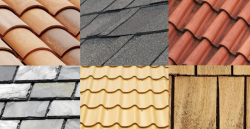
Different Roofing Materials:
Asphalt Shingles
Pros:
– Cost-Effective: Asphalt shingles are one of the most affordable roofing materials, making them a popular choice among homeowners.
– Variety: They come in a wide range of colors and styles, allowing you to customize the look of your roof.
– Ease of Installation: Asphalt shingles are relatively easy to install, which can reduce labor costs.
– Durability: With proper maintenance, asphalt shingles can last between 15 to 30 years.
Cons:
– Weather Sensitivity: Extreme weather conditions, such as high winds and hail, can damage asphalt shingles.
– Environmental Impact: Asphalt shingles are petroleum-based, making them less environmentally friendly compared to other materials.
Pros:
– Longevity: Metal roofs are highly durable and can last 40 to 70 years.
– Energy Efficiency: They reflect solar heat, which can reduce cooling costs during hot weather.
– Sustainability: Many metal roofs are made from recycled materials and are fully recyclable at the end of their lifespan.
– Resistance: Metal roofs are resistant to fire, insects, rot, and mildew.
Cons:
– Cost: The initial cost of metal roofing is higher than asphalt shingles.
– Noise: Metal roofs can be noisier during rain or hail unless proper insulation is installed.
– Denting: Some metal roofs can dent if struck by heavy objects, such as large hailstones.
Wood Shingles and Shakes
Pros:
– Aesthetic Appeal: Wood shingles and shakes provide a natural, rustic look that enhances the character of a home.
– Insulation: Wood is a natural insulator, helping to improve energy efficiency.
– Longevity: With proper care, wood shingles and shakes can last up to 30 years.
Cons:
– Maintenance: Wood roofing requires regular maintenance to prevent mold, rot, and insect damage.
– Fire Hazard: Unless treated with a fire retardant, wood roofing is more susceptible to fire.
– Cost: Wood shingles and shakes are more expensive than asphalt shingles.
Clay and Concrete Tiles
Pros:
– Durability: Clay and concrete tiles are incredibly durable and can last over 50 years.
– Aesthetic Variety: They come in various colors and styles, offering a distinctive look.
– Fire Resistance: Both clay and concrete tiles are non-combustible, providing excellent fire resistance.
– Low Maintenance: These materials require minimal maintenance compared to wood or asphalt.
Cons:
– Weight: Clay and concrete tiles are heavy, often requiring additional structural support.
– Cost: The materials and installation are more expensive than other roofing options.
– Fragility: While durable, they can be broken by heavy impact or improper handling during installation.
Slate Roofing
Pros:
– Longevity: Slate roofs are extremely long-lasting, with lifespans ranging from 75 to 100 years or more.
– Aesthetic Appeal: Slate offers a unique, elegant appearance that enhances the aesthetic value of any home.
– Fire and Weather Resistance: Slate is naturally fire-resistant and withstands harsh weather conditions.
Cons:
– Cost: Slate is one of the most expensive roofing materials available.
– Weight: Similar to clay and concrete tiles, slate is very heavy and may require reinforced structural support.
– Installation: Slate roofing requires specialized skills for installation, which can increase labor costs.
Synthetic Roofing Materials
Pros:
– Versatility: Synthetic roofing materials can mimic the appearance of other materials, such as slate or wood, at a lower cost.
– Durability: High-quality synthetic materials can be very durable and long-lasting.
– Lightweight: They are generally lighter than natural materials, reducing the need for additional structural support.
Cons:
– Varied Quality: The quality of synthetic materials can vary, making it essential to choose a reputable manufacturer.
– Cost: While less expensive than natural counterparts, high-quality synthetic roofing can still be relatively costly.
Factors to Consider
Climate
Your local climate plays a significant role in determining the best roofing material. For instance, metal roofing is ideal for areas prone to wildfires, while clay tiles are suitable for hot climates due to their excellent heat resistance.
Budget
Consider both the initial cost and long-term maintenance expenses. Asphalt shingles are budget-friendly upfront, but materials like metal and slate, despite higher initial costs, offer greater longevity and lower long-term maintenance.
Aesthetic Preference
Your roof significantly contributes to your home’s overall appearance. Choose a material that complements your home’s architectural style and enhances its curb appeal.
Structural Support
Ensure your home’s structure can support the weight of the chosen roofing material. Heavy materials like slate and concrete tiles may require additional reinforcement.
Environmental Impact
If sustainability is a priority, opt for eco-friendly materials like metal or synthetic roofing made from recycled content.
Conclusion
Choosing the right roofing material is a critical decision that affects your home’s protection, energy efficiency, and value. By considering factors such as climate, budget, aesthetic preference, structural support, and environmental impact, you can make an informed choice. At Loyalty Exterior Solutions, we offer a wide range of roofing options and expert guidance to help you select the best material for your home. Whether you’re in Northborough, Hudson, Concord, or Ashland, our team is here to ensure your roof provides the ultimate protection and enhances the beauty of your home.
