
Roofing emergencies can strike without warning, leaving your home vulnerable to the elements. Whether it’s due to a severe storm, falling debris, or other unforeseen circumstances, knowing how to handle an emergency roof repair can save you time, money, and stress. Here’s a step-by-step guide on what to do when disaster strikes.
Emergency Roof Repair:
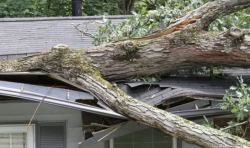
- Ensure Safety First
Assess the Situation
Before taking any action, ensure that the area is safe. Check for any immediate dangers such as falling debris, exposed electrical wires, or unstable structures. If the damage is extensive, it’s best to evacuate the premises and call emergency services.
Protect Yourself
If you need to inspect the damage, wear appropriate safety gear, including gloves, safety glasses, and sturdy footwear. Avoid walking on a damaged roof as it may be unstable and unsafe.
- Prevent Further Damage
Tarp the Roof
If the weather allows, cover the damaged area with a waterproof tarp to prevent water from entering your home. Secure the tarp with nails or heavy-duty tape to keep it in place. This temporary fix can help minimize further damage until professional help arrives.
Move Belongings
Move any valuable items or furniture away from the affected area to prevent water damage. Use buckets or containers to catch any dripping water and protect your floors and walls.
Stop Water Intrusion
If there’s an active leak, place a bucket or container under the leak to catch the water. If the leak is significant, consider turning off the main water supply to prevent further water intrusion.
- Document the Damage
Take Photos and Videos
Document the damage thoroughly by taking clear photos and videos from different angles. This documentation will be crucial when filing an insurance claim and providing evidence of the extent of the damage.
Keep Records
Keep records of any emergency repairs you make, including receipts for materials purchased and time spent on repairs. This information can support your insurance claim and reimbursement requests.
- Contact Your Insurance Company
Notify Your Insurer
Contact your insurance company as soon as possible to report the damage. Provide them with detailed information and the documentation you’ve collected. Follow their instructions for filing a claim and keep a record of all communications.
Understand Your Policy
Review your homeowner’s insurance policy to understand what is covered and what isn’t. Some policies may cover the cost of emergency repairs, while others may only cover the cost of permanent repairs.
- Hire a Professional Roofing Contractor
Choose a Reputable Contractor
Look for a licensed, insured, and reputable roofing contractor who specializes in emergency roof repairs such as Loyalty Exterior Solutions. Check online reviews, ask for references, and verify their credentials before hiring.
Get an Estimate
Request a written estimate for the emergency repair and any necessary permanent repairs. Ensure the estimate includes a detailed breakdown of costs and the scope of work to be completed.
Schedule Repairs
Once you’ve chosen a contractor, schedule the repairs as soon as possible to prevent further damage to your home. Keep in mind that during peak seasons or after major storms, contractors may have a backlog of work.
- Plan for Permanent Repairs
Assess Long-Term Needs
While emergency repairs address immediate issues, you’ll need to plan for permanent repairs to restore your roof fully. Discuss your long-term needs with your contractor, including materials, timelines, and costs.
Prevent Future Issues
Consider taking preventive measures to avoid future roofing emergencies. Regular inspections, maintenance, and timely repairs can extend the life of your roof and prevent costly emergencies.
- Stay Prepared for Future Emergencies
Create an Emergency Kit
Prepare an emergency kit that includes tarps, heavy-duty tape, buckets, safety gear, and a first-aid kit. Having these items readily available can help you respond quickly to future emergencies.
Develop an Emergency Plan
Create an emergency plan for your household, including evacuation routes, emergency contacts, and steps to take in case of a roofing emergency. Ensure all family members are familiar with the plan.
Schedule Regular Inspections
Regular roof inspections by a professional can help identify potential issues before they become emergencies. Schedule inspections at least twice a year and after major storms.
Conclusion
Dealing with a roofing emergency can be stressful and overwhelming, but knowing what to do when disaster strikes can make a significant difference. By prioritizing safety, preventing further damage, documenting the damage, contacting your insurance company, hiring a reputable contractor, and planning for permanent repairs, you can navigate the emergency effectively. At Loyalty Exterior Solutions, we specialize in emergency roof repairs and are here to help you protect your home and restore your peace of mind. Contact us today for reliable, professional roofing services.
