
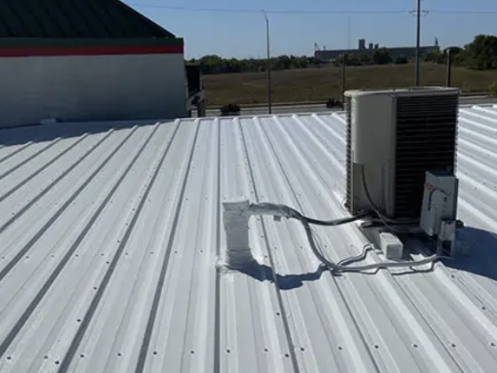
Hey there! Whether you manage a sprawling warehouse or a cozy retail space, keeping your building’s roof energy-efficient can make a world of difference. Think about it—your roof isn’t just for shelter; it’s also key to cutting down those hefty utility bills and making indoor spaces comfy.
But with so many options out there, where do you even start? Let’s break down some practical steps that’ll help your commercial roof save energy and money.
Table Of Contents:
- What Makes a Commercial Roof Energy Efficient?
- Top Energy-Efficient Commercial Roofing Materials
- Benefits of an Energy-Efficient Commercial Roof
- Maintaining an Energy-Efficient Commercial Roof
- Factors Affecting Energy Efficiency in Commercial Roofing
- Working with Professionals for Energy-Efficient Commercial Roofing
- Conclusion
What Makes a Commercial Roof Energy Efficient?
When it comes to energy efficiency in commercial roofing, there are several key factors that can make a big difference. As a business owner, I’ve seen firsthand how the right roofing materials and design can lead to significant energy savings and a more comfortable indoor environment.
Solar Reflectance Index
One important factor is the Solar Reflectance Index (SRI) of the roofing material. The SRI measures how well a surface reflects solar heat, with higher values indicating better reflectivity and lower heat absorption. Choosing a commercial roof with a high SRI can help reduce the amount of heat that enters your building, leading to lower cooling costs and improved energy efficiency.
Light-Colored Roofing Materials
Another way to boost the energy efficiency of your commercial roof is by using light-colored roofing materials. Lighter colors, such as white or light gray, reflect more sunlight than darker colors, which can help keep your building cooler and reduce the need for air conditioning. In fact, a study by the Lawrence Berkeley National Laboratory found that a white roof can reflect up to 80% of the sun’s rays, compared to only 20% for a dark roof.
Insulation and R-Value
Insulation is also crucial for an energy-efficient commercial roof. The R-value of your insulation indicates its ability to resist heat flow, with higher R-values providing better insulation. By properly insulating your roof, you can minimize heat transfer between the interior and exterior of your building, reducing energy consumption for heating and cooling.
Ventilation and Airflow
Finally, don’t overlook the importance of ventilation and airflow in your commercial roof design. Proper ventilation allows hot air to escape from your building, reducing the load on your cooling system and improving overall energy efficiency. When I worked with my roofing contractor to design my building’s roof, we made sure to incorporate adequate ventilation to maximize energy savings.
Top Energy-Efficient Commercial Roofing Materials
Now that we’ve covered the key factors that contribute to an energy-efficient commercial roof, let’s take a look at some of the best roofing materials for the job.
Metal Roofs
Metal roofing is a popular choice for energy-efficient commercial buildings. Metal roofs are highly reflective, which helps reduce heat absorption and keeps your building cooler. They also have a long lifespan and are recyclable, making them an environmentally friendly option.
Cool Roofing Membranes
Cool roofing membranes, such as TPO (thermoplastic polyolefin) and PVC (polyvinyl chloride), are specifically designed to reflect sunlight and reduce heat absorption. These membranes are often white or light-colored and can significantly lower roof surface temperatures, leading to reduced cooling costs and improved energy efficiency.
Reflective Roof Coatings
If you have an existing commercial roof that you want to make more energy efficient, consider applying a reflective roof coating. These coatings are typically made from acrylics, silicones, or urethanes and can be applied directly over your current roofing material. Reflective coatings help reduce heat absorption and extend the life of your roof.
Green Roofs
Green roofs, also known as vegetative roofs, are another energy-efficient option for commercial buildings. These roofs feature a layer of vegetation growing on top of a waterproof membrane. Green roofs provide excellent insulation, reduce the urban heat island effect, and can even improve air quality.
Polyvinyl Chloride (PVC) Roofing
PVC roofing membranes are known for their durability and energy efficiency. They are highly reflective and resistant to UV radiation, making them an excellent choice for commercial buildings in hot climates. PVC roofs can help reduce cooling costs and extend the life of your roofing system.
Benefits of an Energy-Efficient Commercial Roof
Investing in an energy-efficient commercial roof offers a range of benefits for your business, your bottom line, and the environment.
Reduced Energy Consumption
One of the most significant advantages of an energy-efficient roof is reduced energy consumption. By minimizing heat gain and loss through your roof, you can decrease the amount of energy needed to cool and heat your building. This not only saves you money on utility bills but also helps reduce your carbon footprint.
Lower Utility Bills
Speaking of saving money, an energy-efficient commercial roof can lead to substantial savings on your monthly utility bills. By reducing the load on your HVAC system, you can cut down on energy costs and allocate those funds to other areas of your business.
Improved Indoor Comfort
An energy-efficient roof also contributes to a more comfortable indoor environment for your employees and customers. By maintaining stable temperatures and reducing heat transfer, your building will feel more pleasant and inviting, even on the hottest days.
Extended Roof Lifespan
Energy-efficient roofing materials and designs often have longer lifespans than traditional roofs. For example, reflective coatings can help protect your roof from UV damage and thermal stress, while proper insulation and ventilation can prevent moisture buildup and material degradation. This means you can enjoy your energy-efficient roof for many years to come.
Reduced Environmental Impact
By choosing an energy-efficient commercial roof, you’re not only benefiting your business but also doing your part to protect the environment. Reduced energy consumption means lower greenhouse gas emissions and a smaller carbon footprint for your company.
Maintaining an Energy-Efficient Commercial Roof
To ensure that your energy-efficient commercial roof continues to perform at its best, regular maintenance is key.
Regular Inspections
Schedule regular inspections of your commercial roof to identify any potential issues early on. This can include checking for damage, debris buildup, and signs of wear and tear. Catching problems early can help prevent more extensive and costly repairs down the line.
Prompt Repairs
If any issues are found during an inspection, it’s important to address them promptly. Delaying repairs can lead to further damage and compromise the energy efficiency of your roof. Work with a trusted roofing contractor to ensure that any necessary repairs are completed quickly and effectively.
Cleaning and Debris Removal
Regularly cleaning your commercial roof and removing any debris, such as leaves and branches, can help maintain its energy efficiency. Debris can trap heat and moisture, leading to damage and reduced performance over time.
Reflective Coating Reapplication
If your commercial roof features a reflective coating, it may need to be reapplied periodically to maintain its energy-saving properties. Work with your roofing contractor to determine the appropriate reapplication schedule for your specific roof.
Factors Affecting Energy Efficiency in Commercial Roofing
While choosing the right roofing materials and design is crucial for energy efficiency, there are several other factors to consider as well.
Climate and Location
The climate and location of your commercial building can have a significant impact on the energy efficiency of your roof. In hot, sunny climates, reflective and light-colored roofs are especially important for reducing heat gain and cooling costs. In colder climates, insulation and thermal mass are key for minimizing heat loss.
Building Size and Shape
The size and shape of your commercial building can also affect the energy efficiency of your roof. Larger buildings with more roof surface area may require additional insulation and reflective materials to achieve optimal energy performance.
Roof Slope and Orientation
The slope and orientation of your commercial roof can impact its energy efficiency as well. Flat or low-slope roofs are more susceptible to heat gain and may require specialized materials and designs to maximize energy savings. The orientation of your roof relative to the sun can also affect heat absorption and energy performance.
Insulation Levels
As mentioned earlier, insulation is a critical component of an energy-efficient commercial roof. The level and type of insulation used can greatly impact the thermal performance of your roof and the overall energy efficiency of your building.
Working with Professionals for Energy-Efficient Commercial Roofing
To ensure that your commercial roof is as energy efficient as possible, it’s important to work with experienced professionals who specialize in sustainable roofing solutions.
Choosing an Experienced Contractor
When selecting a roofing contractor for your energy-efficient commercial roof project, look for a company with a proven track record of success in this area. Ask for references and examples of previous energy-efficient roofing projects they have completed.
Discussing Energy-Efficient Options
Work closely with your chosen roofing contractor to discuss the various energy-efficient options available for your specific building and climate. They can help you weigh the pros and cons of different materials and designs and make recommendations based on your unique needs and budget.
Proper Installation Techniques
Proper installation is crucial for maximizing the energy efficiency of your commercial roof. Make sure your roofing contractor follows best practices and manufacturer guidelines for installation, including proper insulation, ventilation, and sealing techniques.
Ongoing Maintenance and Support
Choose a roofing contractor that offers ongoing maintenance and support services to help keep your energy-efficient commercial roof in top condition. Regular inspections, repairs, and preventive maintenance can help extend the life of your roof and ensure optimal energy performance for years to come.
Boost energy efficiency with high SRI materials, light-colored roofing, proper insulation (high R-value), and ventilation. Use metal roofs, cool membranes like TPO/PVC, reflective coatings or green roofs for better performance.
Conclusion
You’ve seen Hollywood paint AI as villains, but let’s shift focus back to our real-life roofs. Making them energy efficient isn’t rocket science—it’s smart business sense.
From using reflective coatings to ensuring proper insulation, every little step adds up. Your buildings get cooler summers, warmer winters, lower bills—a win-win all around!
If you’re ready for that leap towards better efficiency (and who isn’t?), consider updating your roofing strategies now. Trust me; it’s worth it.
