
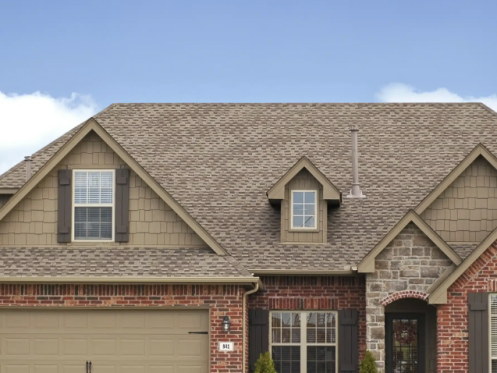
Staring at my old, weary roof recently, I realized it was time for a change. The question of how much does a new roof cost is more than just about numbers; it’s an investment in your home’s future and comfort. So, let me walk you through the maze of shingles and sheathing.
This piece will guide you through materials from basic asphalt to sleek metal panels, explain labor costs that shouldn’t be overlooked, and even delve into how square footage plays its part. By the end of this journey, financing won’t seem so daunting either—with tips on insurance navigation and innovative solutions up our sleeve.
Selecting the right contractor could make or break your project—don’t worry; we’ve got pointers for that too! Buckle up as we pave the way towards understanding one of homeownership’s significant expenses without any fluff.
Table Of Contents:
- Understanding Roof Replacement Costs
- Financing Your Roof Replacement
- Choosing the Right Roofing Contractor
- Cost-Effective Roofing Materials
- Advanced Roofing Options and Their Costs
- FAQs in Relation to How Much Does a New Roof Cost?
- Conclusion
Understanding Roof Replacement Costs
Wondering about the cash you’ll need to shell out for a new roof? It’s like putting together a puzzle where each piece, from materials to labor, adds up to your total investment. So buckle up as we explore this roofing rodeo.
What Determines Your Roof Replacement Cost?
A few key players hustle hard behind the scenes of your roof replacement cost. Think of it like ordering pizza – size matters, toppings (materials) can be fancy or plain Jane, and who makes it (labor) will add dollars too. The mix includes your home’s square footage and pitch that dictate how much material you’ll need and how tough the job is going to be.
The type of shingle shakes things up as well; basic asphalt shingles won’t hit your wallet as hard compared to premium architectural ones or metal panels with their higher cost but longer lifespan promise. And don’t forget location. Just like beachfront property costs more than a downtown condo, prices vary based on where you live.
The Impact of Roofing Material on Your Budget
Your choice in roofing material is like picking out an outfit – options galore but at different price points. Asphalt shingles are common roofing favorites because they’re kinder to bank accounts while still looking sharp. But if long-term relationships are more your style, standing seam metal panels might catch your eye despite being pricier upfront.
Dive deeper into exotic choices with cedar shingles or copper tiles – they’re lookers but expect them to flirt with the upper end of average prices typically ranging between “affordable” and “yikes.” Each material comes with its own set perks though – durability here, curb appeal there – so weigh those against what’s best for both your house’s needs and wallet depth before making any moves.
How Labor Costs Contribute to Your Roofing Expense
Labor isn’t just another line item; think of it as hiring an artist for a custom mural rather than slapping paint yourself. Skilled craftsmen bring expertise that prevents future headaches from leaks or wind damage by doing it right first time around—so yes: You get what you pay for.
But remember Loyalty Exterior Solutions offers several financing options—including roof financing without requiring deposits, easing off some pressure when facing hefty invoices.
Navigating Homeowners Insurance for Roof Replacement
You know how insurance can feel like navigating through fog? Well sometimes storm damage means insurance covers part—or all—of replacement costs. Understanding policy coverage helps pinpoint potential savings without needing pirate maps or secret codes.
Key Takeaway:
Think of replacing your roof as ordering a custom pizza: size, materials, and who’s making it affect the cost. From affordable asphalt to pricey metal or exotic tiles, choose what suits your home and budget. And skilled labor? It’s worth every penny for a leak-free finish.
Dive into financing options like those from Loyalty Exterior Solutions when facing big bills. Don’t forget to check if insurance will cover storm damage—it could save you treasure.
Financing Your Roof Replacement
Saving money on a new roof might seem like an episode of ‘Mission Impossible’, but with the right knowledge, you can navigate this financial maze. First off, it’s crucial to know that Loyalty Exterior Solutions offers several financing options, and they’re not stingy about it either – there’s no deposit required.
Navigating Homeowners Insurance for Roof Replacement
When storm clouds roll in, not just in the sky but also on your home maintenance horizon, homeowners insurance could be your silver lining. If wear and tear or unexpected events have taken a toll on your roof, insurance might cover part or all of your replacement costs. But remember: policies vary based on coverage limits and deductibles.
To save yourself from heartache later down the line, get familiar with what affects roof eligibility under most policies—age is more than just a number here; newer roofs often have better luck getting covered. And if damage happens due to Mother Nature’s temper tantrums? You’re likely in good hands as long as neglect isn’t part of the equation.
Innovative Financing Solutions for Homeowners
The word ‘budget’ doesn’t need to be synonymous with panic when considering roofing projects. Innovative solutions are popping up faster than dandelions in springtime. There are plenty of flexible financing options out there designed to make managing replacement costs less intimidating.
Loyalty Exterior Solutions financing solutions, shine bright here—they understand that shelling out cash upfront isn’t always feasible for everyone. They’ve set up plans where payments unfold over time like chapters in a novel—and you don’t even need to put any money down at first glance.
Choosing the Right Roofing Contractor
Finding a top-notch roofing contractor is like hitting the jackpot in home maintenance: it’s Loyalty. But where do you start? First, make sure they have proper licensing. This isn’t just red tape; it’s your peace of mind wrapped up in government-issued paperwork.
Licensing and Certifications Matter
The credentials of your chosen professional can be as solid as a slate roof or as flimsy as old shingles on a windy day. Proper licensing signifies that the roofing company meets industry standards and follows building codes to a T—think of it like having an all-access pass to Quality Town. If they’re certified, even better. That means continuous training keeps their skills sharp enough to slice through complexity with ease.
Check for certifications from trusted bodies within the industry; these are badges of honor only earned by those who really know their stuff about vents, valleys, and flashing details—and aren’t afraid to prove it.
Importance of Detailed Estimates in Roofing Projects
You wouldn’t buy a car without knowing its full cost upfront, right? The same goes for roofs—a detailed estimate lays out every aspect so there are no surprises when bill time rolls around. A reliable contractor will climb ladders and take precise measurements before crafting an estimate because accuracy matters more than charm here.
A good quality roofer won’t shy away from breaking down costs either—they’ll explain why premium architectural shingles come at higher prices compared with basic asphalt ones or how complex roof pitches require more labor love (and dollars). Transparency is key; if they hand over an estimate faster than rain drops during a storm warning—beware.
Hiring guidelines set forth by consumer protection agencies suggest scrutinizing estimates carefully alongside customer reviews—which brings us neatly onto our next point.
Every hammer hit should count towards constructing not just roofs but also reputations; excellent customer reviews paint pictures worth far more than 1k words could ever say about workmanship quality.
In summary:
-
- Licensing: It’s non-negotiable. No license equals no deal since you want someone legally recognized for this high-stakes job.
- Certifications: They signal ongoing dedication to excellence because nobody wants last season’s trends protecting them from storms ahead.
Sure, here’s the rewritten paragraph in a more natural and professional tone:
- Detailed: We delve into specifics to give you all the information you need. By focusing on detail, we make sure nothing gets overlooked.
Key Takeaway:
Finding a stellar roofing contractor is crucial. Start by checking their license—it’s your guarantee of quality and compliance. Look for certifications, too; they show commitment to top-notch skills in the trade.
Don’t skip on detailed estimates from your roofer—they should explain all costs upfront. And remember, glowing customer reviews are worth their weight in gold when it comes to trustworthiness and skill.
Cost-Effective Roofing Materials
When it comes to roof replacement, homeowners often face the challenge of finding materials that balance cost and durability. Sure, you want your house to look like a million bucks, but your wallet might have other ideas. Let’s cut through the fluff and talk turkey about roofing options that won’t lead you down a path to bankruptcy.
Asphalt Shingles – The Economical Choice
You’ve probably seen asphalt shingles on homes everywhere; there’s a good reason for that. They’re the jeans-and-a-t-shirt of common roofing materials—reliable without needing you to break open your piggy bank. Typical asphalt shingle roofs are not only budget-friendly but also offer respectable longevity if they’re given proper care—which is just like watering your garden so it doesn’t turn into a desert wasteland.
But wait, there’s more. These little dynamos come in various styles and colors allowing them to suit nearly any home design—from Colonial Revival charm all the way up to Mid-century Modern coolness. If we’re talking numbers—and who isn’t?—these beauties can keep their composure for 20 years or more with decent maintenance practices.
Metal Panels – Longevity Meets Affordability
If asphalt shingles are too mainstream for you, maybe metal panels will strike your fancy—they’re like putting racing stripes on your car: instant cool points plus performance benefits. Corrugated metal has been making waves as an affordable yet durable option among typical residential buildings looking for something with a bit more oomph than traditional choices provide.
Metal roofs aren’t just tough cookies against Mother Nature’s mood swings; they also boast energy efficiency by reflecting solar radiant heat rather than absorbing it which means cooler summers inside without cranking up the AC (and spiking those utility bills). Now let’s dish out some facts: these bad boys can last anywhere from 40-70 years depending on material quality—that’s several decades worth of peace-of-mind right there.
Key Takeaway:
Asphalt shingles are the wallet-friendly workhorse of roofing, offering style and durability without costing a fortune. Metal panels mix cool with practicality, delivering decades-long protection and energy savings that justify their upfront cost.
Advanced Roofing Options and Their Costs
Picking out a new roof isn’t just about finding something that looks good. It’s also about smart investing and thinking long-term for your home’s protection. But let’s be real, when you hear ‘advanced roofing options,’ the dollar signs start flashing in front of your eyes faster than lightning on a stormy night.
The Impact of Roofing Material on Your Budget
Let’s talk materials because they’re the bread and butter of any roof replacement cost. Going basic with asphalt shingles is like grabbing a burger at your local joint—reliable but nothing fancy. However, when you want to step up your game, premium architectural shingles come into play; think gourmet burger with all the fixings. They offer more flair and durability but expect them to take a bigger bite out of your budget.
Moving onto metal panels—it’s like trading in leather for lace-up armor. Metal roofs are tough cookies, from corrugated metal fit for battling hailstorms to standing seam metal panels sleek enough to make any raindrop slide off without a second thought.
If we’re going posh, there are slate tiles which might as well be considered the caviar of roofing materials or cedar shingles—the aged wine that gets better over time—but these high-end choices will have you digging deeper into those pockets.
How Labor Costs Contribute to Your Roofing Expense
Labor costs can sneak up on you quicker than an itch during an important meeting—it demands attention. A skilled team is crucial unless DIY-ing it sounds fun (spoiler: it doesn’t). You need folks who know their way around tricky installations because fumbling here could lead straight down ‘leaky-roof-lane’—and nobody wants that detour.
A reliable crew brings experience—and peace-of-mind—to the table while navigating through various types such as flat roofing materials or intricate steel shingles installments. Sure, expertise comes at a price; consider this paying upfront so you don’t pay double fixing mistakes later.
The Role of Roof Size and Pitch in Estimating Costs
Your home’s square footage decides how much material rolls up onto your driveway—and ultimately what rolls out from your bank account too. It goes without saying: bigger homes equal higher costs due mostly because…well…more stuff needed equals more cash spent.
And if we’re climbing uphill talking pitch here—a steep slope means laborers put in extra sweat equity ensuring every tile sits pretty without risking one rolling downhill smack-dab onto someone’s head below—that kind takes special skill sets adding few extras dollars along.
Sure, I’ll need the content of the last paragraph to rewrite it for you. Can you provide that?
Key Takeaway:
Choosing a new roof means smart investing and eyeing long-term home protection. Materials range from basic asphalt shingles to high-end slate tiles, affecting your budget accordingly. Don’t forget labor costs—they’re key for quality installation without future headaches. Lastly, remember: bigger roofs and steeper pitches drive up the price due to more materials and harder work.
FAQs in Relation to How Much Does a New Roof Cost?
How much should I spend on a new roof?
Spend based on material choice and house size; typically, it’s between $5,000 to $10,000 for moderate-sized homes.
How much does a new roof cost in Maryland?
In Maryland, expect to shell out anywhere from $5,500 to upwards of $11,000 depending on your pad’s specs.
How much does it cost to replace 1000 sq ft of roof?
To swap out 1000 sq ft of roofing could set you back roughly $4,700 – this hinges heavily on materials chosen.
How much does a new roof cost in PA?
A fresh lid for your home in Pennsylvania might run you from about $6k all the way up past ten grand.
Conclusion
So, how much does a new roof cost? It’s not just about the sticker price. Think materials, labor, and size—these are your big-ticket items that shape the bill.
Dig into details. Asphalt shingles or metal panels? Your choice sets the stage for costs. Remember: square footage matters as well as pitch—it’s all part of the math.
Financing is your friend when budgeting this big move. Insurance may cover some; flexible plans can ease more burden off your back.
Pick pros with care—they’re worth their weight in gold (or shingles). Certifications and clear estimates go far to fend off future headaches.
In short, arm yourself with knowledge to tackle roofing realities head-on—you’ve got this!
