
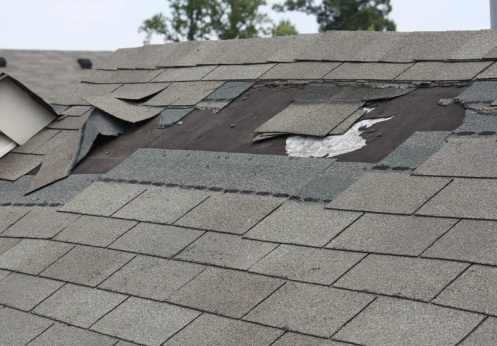
Picture this: you wake up to the sound of rain pounding on your roof, only to find that your ceiling has started resembling a leaky colander. It’s clear—your roof needs more than just a quick patch-up; it’s time for a full-on replacement. Now, let me walk you through how to get homeowners insurance to pay for a new roof.
Navigating insurance claims can feel like trying to solve an intricate puzzle while blindfolded. But don’t worry; I’ve got the playbook that’ll make sure you’re calling the shots when dealing with your insurance company.
You’ll discover everything from understanding what exactly your policy covers in terms of roof storm damage, right down to choosing a trustworthy local roofing contractor who won’t leave you high and dry (pun intended). By sticking around, you’ll learn how each move can bring you closer to waving goodbye to buckets catching drips and hello to peace of mind under solid shingles.
Table Of Contents:
- Understanding Your Homeowners Insurance Policy for Roof Damage
- Initiating the Claim Process with Evidence and Documentation
- The Role of Professional Roof Inspections in Insurance Claims
- Selecting a Reputable Local Roofing Contractor
- 5 Steps to Get Homeowners Insurance to Pay for Your New Roof
- Navigating Through the Insurance Adjuster’s Assessment
- Dealing With Storm Chasers and Scammers After Severe Weather Events
- Maximizing Coverage Through Accurate Claims
- FAQs in Relation to How to Get Homeowners Insurance to Pay for a New Roof
- Conclusion
Understanding Your Homeowners Insurance Policy for Roof Damage
When Mother Nature throws a tantrum, it’s your roof that often bears the brunt of her rage. But when shingles get blown off or hail hammers down, will your homeowners insurance policy step up to cover the costs? That’s the million-dollar question we’re here to unpack.
Does Your Policy Include Roof Repairs or Replacements?
The devil is in the details—or in this case, within the dense language of your insurance policy. Not all policies are created equal and some have exclusions tighter than a drum. Most policies do embrace severe weather and acts of nature with open arms when it comes to coverage; but don’t just take our word for it—read that fine print like you’re looking for Waldo.
A good look at your policy might reveal whether you’re covered only for repairs or if a full replacement can be part of an approved claim. And remember, while age may come with wisdom, older roofs sometimes get less love from insurers who consider them more susceptible to damage.
What Insurance Adjusters Look For
An insurance adjuster is basically Sherlock Holmes but instead of solving crimes they suss out whether your damaged roof fits their criteria—and trust us, they’ve got quite an eye for detail. They’ll inspect everything from wind-lifted shingles to water-logged rafters—all while checking if any patchwork on your abode meets local building codes because compliance isn’t just important—it’s crucial.
Your homework doesn’t end there though: make sure you contact a reputable roofing contractor, someone who knows their way around both hammer nails and claims paperwork. Their inspection report could be what tips scales in favor getting those damages fixed on insurer’s dime.
If reading through pages upon pages legal jargon wasn’t exactly how planned spending Saturday afternoon then reach out directly agents companies themselves; let them break things down into human-speak so know where stand before filing claim—that way no surprises pop up later road when least expect them (like unwanted party guests).
Key Takeaway:
Don’t just hope your homeowners insurance covers roof damage—dig into the details to find out if repairs or replacements are included. Remember, older roofs may not be favored and adjusters will thoroughly inspect for compliance with building codes. Get a pro roofer’s report to boost your claim.
Initiating the Claim Process with Evidence and Documentation
When your roof has faced the wrath of Mother Nature, you’ll want to get your homeowners insurance to step in quickly. But remember, they won’t just take your word for it that a tree decided to do a tap dance on your shingles. You’ve got to show them what happened—proof is key.
Proving Your Roof Is Damaged
To make sure an insurer gets out their checkbook, start by snapping pics of every angle of destruction from hail storms or those shingles blown across the yard like confetti at a parade. These photos aren’t just for memories; they’re concrete evidence that can sway an insurance adjuster’s heart (and approval stamp). And don’t forget about dates and times. They’re as important as getting the right filter on that storm damage selfie.
If wind damage has given your roof a new skylight feature you didn’t ask for, call in some pros. A detailed inspection report from Gouge Quality Roofing, done with maybe even a drone camera if we’re feeling fancy, will add more weight than Aunt Mabel’s fruitcake when proving how severe weather did its number on your home.
Once you’ve gathered this pile of proof bigger than last autumn’s leaf collection—it’s time to talk paperwork with precision and passion because hey, damaged roofs are serious business. Dot those I’s and cross those T’s like you’re playing tic-tac-toe against fate itself.
You needn’t worry about going through this alone either—a trusty local roofing company might be able not only fix up quick repairs but also help smooth-talk their way through any red tape involved in roofing claims; making sure everything is lined up perfectly so there are no hiccups down the line.
A pro tip? Keep all receipts related to any emergency patch-ups after natural disasters strike—that could include tarps bought during panic runs post-storms or plywood used when facing off against fallen trees aiming for Olympic gold in rooftop gymnastics. All these play part in painting that full picture insurers crave before writing checks big enough for replacement coverage.
In short: Gather clear evidence, document meticulously—including nature’s temper tantrums—and align yourself with top-notch professionals who know how cover roof damage faster than grandma covers her antique couch before visitors arrive. With thorough documentation and expert advice under one arm—like armor—you’ll stand ready to face even the sternest insurance agency head-on.
Key Takeaway:
Get your homeowners insurance to pay up for a new roof by snapping pics of the damage, securing pro inspections, and keeping all repair receipts. This is how you prove Mother Nature’s tantrum to insurers with hard evidence and expert backing—setting yourself up for success.
The Role of Professional Roof Inspections in Insurance Claims
When your roof has been through the wringer, thanks to Mother Nature’s latest tantrum or just age catching up, a professional roofing inspection becomes more than just a formality. It’s often the linchpin in your insurance claim saga. Why? Because insurers love evidence like squirrels love acorns.
A seasoned inspector from a local roofing company like Loyalty Exterior Solutions brings not only an eagle eye for detail but also a deep understanding of what can make or break your claim approval with an insurance adjuster. They know their way around shingles blown off by severe weather and can spot even subtle signs of storm damage that might otherwise go unnoticed.
Let’s get real: without solid proof provided by these pros—think detailed reports and drone camera footage—you could be left telling tales about that fallen tree nobody saw. And while you’re spinning yarns, leaks are turning your attic into Waterworld.
Why Insurers Require Professional Eyes on Your Roof
An insurer is like that skeptical aunt who won’t take anyone’s word for it until she sees it herself—or rather her trusted proxy does. That’s where the trusty professional steps in, clipboard at hand ready to give you an ironclad roofing inspection report detailing every nook and cranny of distress on your rooftop kingdom.
This meticulous scrutiny isn’t because they doubt your honesty; they’re making sure all t’s are crossed when it comes to compliance with building codes—a non-negotiable checkpoint before those replacement coverage dollars start flowing. In fact, most policies will cover damages caused by events outside human control such as natural disasters but knowing exactly how much depends greatly on this assessment phase.
Gathering Evidence Like A Pro
You wouldn’t show up to court without evidence; similarly, don’t meet with an insurance agent empty-handed after roof storm damage occurs. The key stats reveal that successful claims hinge heavily upon providing ample proof—which means photos from every angle (yes even those awkward ones), video walkthroughs capturing each sigh-worthy dent and ding courtesy of hail storms, plus any other relevant documentation showcasing the impact suffered during recent severe weather episodes.
Sure enough, armed with such compelling visual storytelling along with thorough paperwork compiled post-inspection—an actual cash value versus replacement cost conundrum may quickly become moot if full repair coverage gets greenlit faster than you can say “new roof”.
Key Takeaway:
Don’t overlook a pro roof inspection—it’s critical for insurance claims. Insurers dig hard evidence, and seasoned inspectors know just what to look for. They provide detailed reports and even drone footage that can make or break your case for coverage.
A skeptic insurer needs concrete proof from professional inspections before shelling out cash—compliance with building codes is key. And when storm damage hits, come prepared with photos, videos, and documentation; it could fast-track your claim to approval.
Selecting a Reputable Local Roofing Contractor
Finding the right local roofing contractor is like picking your dance partner for the home improvement tango – choose wisely, and you’ll glide smoothly through roof repairs. Skimp on this step, and it’s all toe-stepping awkwardness.
So why trust your cha-cha to just any Joe with a ladder? It’s vital to partner with professional roofing experts who bring quality workmanship to the table. The stakes are high; hiring respected contractors isn’t only about dodging leaky-roof blues but also ensuring that when Mother Nature throws her next tantrum, your home stays snug and dry.
Avoid Quick Fixes from Unverified Contractors
The aftermath of storms can be chaotic – enter storm chasers. These fly-by-night operators swoop in with promises of quick fixes at tempting prices. But let’s face it, quality roofing takes more than a handshake deal under dark clouds. Stick with trusted local professionals who have skin in the game – their reputation hinges on every shingle they nail down.
It pays off: established contractors not only guarantee top-notch repairs but also know how to navigate insurance claims like pros. They’ve seen enough damaged roofs and understand what an insurance adjuster looks for—no shortcuts or cover-ups here. Plus, working within building codes isn’t just second nature; it’s part of their DNA.
And remember those key stats? Post-storms see scammers crawling out of the woodwork faster than ants at a picnic—but nine times out of ten, these unverified ‘contractors’ don’t even stick around long enough for dessert. Get help from someone invested in our community’s well-being instead.
5 Steps to Get Homeowners Insurance to Pay for Your New Roof
Facing a damaged roof can be as stressful as watching your diet during the holidays. But when it comes time to get that new roof covered by homeowners insurance, knowing the right moves is key—kind of like avoiding Aunt Edna’s fruitcake.
Read Your Policy Thoroughly
You wouldn’t go on a road trip without checking your map first, right? Same goes for navigating through your insurance policy. Dig into it and find out exactly what kind of coverage you have. Does it cover shingles blown off by last night’s storm or damage caused by that sneaky fallen tree? You need these details because not all policies are created equal; some might offer replacement cost while others only give actual cash value.
Contact Loyalty Roofing Solutions, and we’ll help you decipher those tricky policy terms so you know just what your homeowner’s insurance company will pay up for—and what they won’t.
Provide Detailed Evidence of Damage
The evidence game is like showing receipts—it makes proving things a whole lot easier. Snap pictures from every angle using something better than that potato-quality camera phone from 2005. Videos work great too if they’re clear enough. Document everything meticulously because this stuff matters when an adjuster has to inspect roof damages later on.
Engage With Professional Inspectors
Sure, DIY can save bucks when redecorating your living room but leave roofing inspections to pros who use cool tech like drone cameras instead of ladders. They’ll whip up an inspection report faster than you can say “leaky gutters,” which helps push along those often-tedious insurance claims processes.
Submit Your Claim Promptly
Treat filing your claim with urgency—like how quickly you’d scoop up concert tickets before they sell out. Delay here could mean more headaches down the line and trust me, dealing with soggy insulation problems isn’t fun at all.
Navigating Through the Insurance Adjuster’s Assessment
The moment where rubber meets road—or in our case, adjuster meets rooftop.
This step’s crucial: no matter how many contractors confirm damages, it doesn’t count until Mr,Ms. Adjuster gives their nod after making sure repairs meet building codes and standards.
A delay here feels longer than waiting for water boil, but hang tight.
Remember: you’ve got control over choosing local roofing companies (avoid those pesky storm chasers), so pick one savvy about working alongside insurers.
We suggest getting cozy with a good book and your favorite warm beverage to truly enjoy the experience. Curling up in a comfortable spot can turn reading into a mini retreat from the daily hustle.
Key Takeaway:
Know your policy inside out, like you know the route to your favorite restaurant. Clear evidence is key—think high-def photos, not blurry ones. Leave inspections to the pros with their fancy drones. File fast or risk a headache later on. And when it’s time for the adjuster to show up, pick a local roofer who speaks ‘insurance’ fluently.
Navigating Through the Insurance Adjuster’s Assessment
When a damaged roof is staring you down, and rain clouds are rolling in, getting your insurance company to pay for repairs can feel like facing off with Mother Nature herself. But don’t fret; understanding the adjuster’s assessment is your umbrella in this storm.
What Insurance Adjusters Look For
An insurance adjuster plays detective on your rooftop. They’re not just looking at shingles blown away by last week’s windstorm; they’re examining every nook for compliance with building codes and standards that could affect whether damage roof gets covered or not. It might seem nit-picky when they inspect each cracked tile as if it were a clue in an Agatha Christie novel, but these folks ensure only legit claims get approved.
If you’ve got cover shingles blown across the yard after severe weather, snap some pictures before they become one with nature again. This visual evidence helps when you ask the insurance company to pay up. Remember though—no matter how clear it seems that your home took a beating from Mother Nature—the final say comes down to what the adjuster finds (and documents).
Cover Roof Damage Like a Pro
Your policy may promise to shield you from financial woes post-disaster, but knowing exactly what coverages lurk within its pages gives you an edge during assessment time. The truth? Not all heroes wear capes—some come armed with comprehensive knowledge of their homeowner’s insurance coverage details.
Say ‘hello’ to our little friend: replacement cost value versus actual cash value coverage—a distinction sharper than any drone camera used during inspections. If fallen trees played dominoes on top of your house or hailstones went full-on drum solo against it—that policy better be more rock-solid than just covering quick repairs.
The Fine Print That Can Save Your Wallet
Last thing: never underestimate small print because sometimes those lines hold powerful spells…I mean clauses that could make or break whether damage caused by natural disasters turns into a fully-funded repair fiesta instead of out-of-pocket blues festival. When dealing directly with roofing contractors remember—you want someone who knows local laws better than their own birthday because if building codes have changed since Noah built his ark and they miss it? Well, let’s just say we hope water-walking is among their talents.
Key Takeaway:
Get savvy with your insurance policy and snap photos of damage ASAP to boost your claim. Know the difference between replacement cost value and actual cash value—it’s crucial. And always read the fine print; it could turn a disaster into a fully-funded repair party.
Dealing With Storm Chasers and Scammers After Severe Weather Events
When severe weather strikes, it can leave more than just physical damage in its wake; it opens the door for storm chasers. These opportunistic scammers swoop in with promises of quick repairs but often deliver subpar work or simply take your money and run.
Ensuring Compliance With Local Building Codes During Repairs or Replacement
Navigating through roof repair after a nasty bout of weather is tricky enough without having to worry about whether the job meets local building codes. But here’s why you should care: if those shingles aren’t up to code, not only could your safety be at risk, but so could your chances of getting that insurance claim approved. Remember that adjusters have eagle eyes for code compliance when they assess the damage caused by Mother Nature’s fury.
If you’re feeling overwhelmed, don’t fret. Partnering with code-savvy contractors who know their way around both a tool belt and municipal regulations will help ensure all repair work passes muster—not just for peace of mind but also because doing things by the book means better odds that an insurance agency will cover those costs.
Collaborate With Code-Savvy Contractors
We’ve all heard horror stories about homeowners left high and dry after trusting fast-talking contractors whose handiwork crumbled faster than a cookie in milk. That’s why smart homeowners pay attention to reputation rather than slick pitches post-storms. Choosing established roofing companies familiar with replacement cost calculations within local building requirements guarantees quality fixes over band-aid solutions.
Your home is likely one of your biggest investments—so when someone suggests slapping on some duct tape as a fix-all solution after severe weather events, show them the door. Connect instead with trusted professionals from local roofing companies like Loyalty Exterior Solutions, who bring expertise beyond mere hammers and nails—they navigate repair coverage talks with homeowner’s insurance like seasoned diplomats forging peace treaties.
Key Takeaway:
After a storm, watch out for scammers with false promises. Partner with trusted contractors who know local codes to make sure repairs are solid and insurance claims go smoothly.
Maximizing Coverage Through Accurate Claims
When it comes to getting your homeowners insurance to pay for a new roof, precision is key. Think of your insurance claim like baking the perfect chocolate chip cookie; one wrong measurement and you’re stuck with a less-than-satisfactory result.
Does Your Policy Include Roof Repairs or Replacements?
The devil’s in the details when deciphering if your policy has got you covered for repairs or complete replacements. Most policies have got severe weather events down pat, but they might leave you high and dry on wear-and-tear issues. It’s not just about having coverage—it’s about knowing exactly what kind—like understanding whether you’re insured for market value or the full replacement cost.
Your local roofing company can be as valuable as grandma’s secret recipe here—they know their stuff when it comes to distinguishing between damage types that are generally covered by insurers versus those that aren’t.
What Insurance Adjusters Look For
Straight up: adjusters are like Sherlock Holmes, seeking clues on compliance with building codes before declaring a case closed. They’ll scour every inch of your damaged roof faster than kids finding Easter eggs—if something doesn’t line up with regulations, they’ll spot it quicker than you can say “deductible.” This isn’t just busy work; code adherence often directly impacts whether damages get green-lit for coverage by an insurance agency.
Selecting a Reputable Local Roofing Contractor
A solid contractor relationship is worth more than gold after storm havoc hits home. These pros don’t cut corners; they measure twice and nail once—a philosophy ensuring repair work aligns precisely with stringent industry standards while providing top-notch protection against future natural disasters.
Dodge those fly-by-night fixers promising quick repairs at bargain prices—their shoddy handiwork could end up costing more in round two fixes.
Navigating Through the Insurance Adjuster’s Assessment
An adjuster landing on your doorstep doesn’t automatically translate into an approved claim—even if contractors confirm damages beforehand. So keep calm and carry all evidence possible because this assessment plays lead role in our “Will My Insurance Company Pay?” drama series airing post-disaster scenarios across rooftops nationwide.
Key Takeaway:
Think of filing a claim as baking: precision matters. Know your policy inside out, from coverages to costs. Use a savvy local roofer for guidance and pick contractors who nail quality over quick fixes. Keep cool when adjusters visit; evidence is key to getting that approval.
FAQs in Relation to How to Get Homeowners Insurance to Pay for a New Roof
Does age of roof affect homeowners insurance?
Yes, the older your roof, the harder it might be to get full coverage because insurers consider wear and tear.
What is the best roof for insurance?
Metal roofs often score well with insurers due to their durability against elements like fire and severe weather.
Should I tear off my old roof?
Tearing off an old roof can prevent future issues; just weigh costs versus benefits before making a move.
Can I get homeowners insurance with an old roof in Florida?
You can, but expect stricter inspections and possibly higher premiums. It’s tougher but not impossible.
Conclusion
Mastering your policy is the first step. Know it inside and out to understand what’s covered. Gather evidence, show the damage—this can’t be overstated. Always choose quality over quick fixes; go local with a reputable roofing contractor.
Stay sharp when filing claims. A detailed inspection report could make or break your case for a new roof. Keep in mind, only an adjuster has the final say—even if experts back you up.
Dodge those storm chasers; they’re more trouble than help after severe weather hits. Stick to contractors who know their stuff about local building codes—it counts big time for coverage.
When it comes down to how to get homeowners insurance to pay for a new roof, remember these essentials: documentation, timing, and professional assessments are key players in this game of claims and coverages.
