
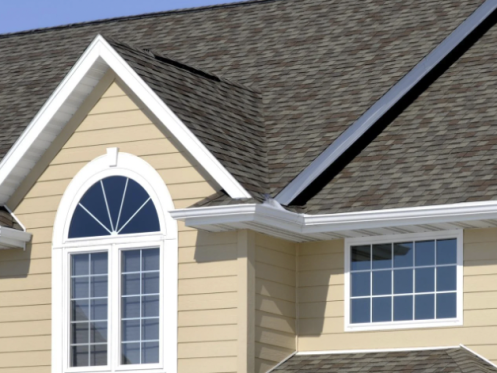
Picture your home, safe and sound beneath a sturdy roof that’s designed to stand the test of time. That’s what every homeowner wants, right? A reliable shelter overhead. The truth is, a roof’s lifespan can be as unpredictable as the weather it’s built to withstand.
I’ve seen firsthand how choosing quality roofing materials and smart maintenance can add years to a roof’s life. In this piece, you’ll learn exactly which factors play pivotal roles in determining roof lifespan, from the type of shingles crowning your abode to the frequency of professional check-ups it gets.
Stick around; by the end, you’ll know when those warning signs are more than just passing clouds—hinting it might be time for an upgrade—and how keeping up with simple tasks could save you some serious cash on repairs down the road.
Table Of Contents:
- Understanding Roof Lifespan: Factors That Influence Durability
- Choosing the Right Roofing Material for Your Home
- Recognizing When It’s Time for Roof Replacement
- Maximizing Your Roof’s Life Through Maintenance
- Financial Considerations
- FAQs in Relation to Roof Lifespan
- Conclusion
Understanding Roof Lifespan: Factors That Influence Durability
The life expectancy of your roof isn’t just a number to mark on the calendar. It’s an evolving story, shaped by choices and challenges along the way.
The Impact of Roofing Material on Longevity
Different roofing materials offer varying lifespans—a dance between durability and design. Take asphalt shingles, for instance; they’re like the reliable sedan of roofing—cost-effective with a decent mileage range up to 20 years. On the other hand, you have metal roofs that act more like sturdy trucks, boasting about half a century’s worth of resilience against wear and tear.
Cedar shake roofs bring rustic charm but demand commitment for upkeep to reach their 30-year potential. Then there are slate roofs, virtually immortal at up to 100 years if properly cared for—the grand statues in our roofing gallery. But let’s not forget clay tiles—while perhaps less popular in some regions due to weight considerations—they too can stand tall through decades when matched with quality underlayment.
Importance of Professional Installation and Maintenance
Your roof is only as good as its installation—and even then, it needs regular love checks (a.k.a maintenance). Proper installation by seasoned roofing contractors sets the stage for longevity; it’s akin to laying down solid foundations before building upwards. Regular maintenance? Think routine dental cleanings but for your home—it helps catch minor issues before they become gaping cavities leading to costly repairs or replacements.
Maintenance is also key in battling unseen enemies such as fungus growth or poor drainage that can lead unsuspecting homeowners towards frequent repairs or full-on replacement wars far sooner than anticipated.
Climate’s Role in Roof Life Expectancy
Sunny climates might be great for beach days but could spell drama for rooftops without proper reflective capabilities—as overheated shingles would attest if they could talk. Likewise, areas prone to storm damage see homes often sporting newer “haircuts” thanks largely due unpredictable weather patterns which accelerate aging processes beyond normal rates seen elsewhere where consistent temperatures reign supreme throughout seasons year-round…
Key Takeaway:
Your roof’s lifespan is a tale of materials, maintenance, and mother nature. Asphalt shingles give you 20 years; metal roofs can last 50. Cedar needs love for its 30-year life, while slate could hit the century mark with care. Remember: solid installation and regular check-ups are crucial to keeping your home covered.
Choosing the Right Roofing Material for Your Home
Pros and Cons of Asphalt Shingles
Picking out an asphalt shingle roof is like choosing a classic sedan—it’s reliable, popular, and fits a modest budget. But it’s not just about cost; three-tab asphalt shingles offer simplicity in both looks and installation. These buddies can hang tough for around 20 years.
Now let’s chat architectural shingles. They’re the big siblings to the three-tab—stronger with more character—and they boast up to 30 years of guarding your home against Mother Nature’s mood swings. However, quality comes at a price, so expect these guys to dip into your wallet more than their thinner relatives.
All that said, if you’ve ever felt raindrops indoors or spotted daylight where it shouldn’t be (hello attic.), those are cries for help from your asphalt roof needing repair or replacement sooner than later—a stark reminder that even the most common roofing materials aren’t immune to wear and tear.
The Longevity and Appeal of Metal Roofs
Metal roofs strut onto the scene like sleek sports cars: they come with longer warranties because they play hard-to-get with damage—often staying solid as rock for 40-70 years. Standing seam metal roofs whisper “modern” while tossing in bonus points for being energy-efficient—they reflect sunlight better than an A-list celebrity dodges paparazzi.
Cedar shake might wink at you from across the street but stand by—metal doesn’t fade away under UV rays quite as fast as wood does over time. Plus, standing seam metal laughs in the face of heavy snowfall since it slides off easier than water off a duck’s back on these smooth surfaces.
If we talk numbers though? You’ll need deep pockets initially—that upfront investment stings but pays dividends down the road when storm damage rolls through town less likely causing costly repairs compared to other materials. Check out what homeowners spend on average.
Slate and Clay Tile Roofs: Elegance That Lasts a Century
Dream homes drool over slate roofs—their timeless elegance makes them look straight outta royalty family albums lasting easily past 100 years if treated right. Slate whispers “forever” so softly yet demands respect (and bucks) fittingly considering its lifespan legend status among roofing options recommended by professionals.
Key Takeaway:
Asphalt shingles are a budget-friendly classic, with architectural types offering more durability and style at a higher cost. Metal roofs promise decades of defense and energy efficiency, despite their steep initial price tag. For centuries-long elegance and an investment in longevity, slate is your premium pick.
Recognizing When It’s Time for Roof Replacement
You might not think about your roof every day, but it plays a starring role in keeping you dry and cozy. So when the spotlight starts to dim on its performance, paying attention could save you from an unwanted sequel: costly water damage or even structural issues.
Warning Signs of Roof Failure
Sometimes roofs whisper their troubles with subtle signs before they scream for help. Catching these early can be the difference between repair and replace—saving time, stress, and money. One classic telltale sign is leaks; if you’ve spotted any drips or stains on ceilings during a rainstorm, that’s your cue to act fast.
Beyond leaks, another red flag is missing shingles. Whether they’re lying in your yard after a storm or simply absent upon inspection, this can lead to quick deterioration as it leaves room for moisture infiltration which no homeowner wants.
If you’ve noticed granules accumulating like confetti in your gutters from asphalt shingle roofs or seen pieces of shake roof flapping like flags in the wind—it’s high time to reach out to roofing contractors who can give professional advice on whether patch-up jobs will do or if it’s curtains for your current rooftop.
Detecting Deeper Issues Beyond Surface Damage
The plot thickens beyond what meets the eye; sometimes there are deeper issues at play causing distress signals from above. Poor attic ventilation may seem like just an ‘up-there’ problem but think again—it has villainous effects such as overheating shingles which age them faster than desired leading towards premature replacement needs.
An annual roof inspection should reveal how well-ventilated spaces are helping maintain consistent temperatures across seasons—prolonged heat without escape routes spells trouble not only for comfort levels indoors but also impacts lifespan expectancy negatively over time due to potential fungus growth underneath layers unseen at ground level view points).
- Frequent repairs – If fixing becomes more routine than checkups at the doctor’s office?
- Poor drainage – Notice ponds forming atop flat roofs post-rainfall?
- Storm damage – Hail left craters where smooth surfaces used? Wind invited branches rubbing against siding friends too close comfort-wise?
Key Takeaway:
Keep an eye out for subtle roof trouble signs like leaks, missing shingles, and granules in gutters to prevent bigger issues. Regular check-ups can spot hidden problems like poor attic ventilation or frequent repairs, which signal it might be time to call the pros.
Maximizing Your Roof’s Life Through Maintenance
Maintaining your roof isn’t just about fixing leaks after a storm; it’s an investment in the future of your home. Like changing oil to keep a car running smoothly, regular roof maintenance can prevent premature wear and tear.
The Importance of Regular Inspections
Experts recommend annual inspections as a top defense against costly damage. A seasoned eye can spot trouble before it becomes severe, like missing shingles or subtle signs of water accumulation that you might miss from the ground. Annual roof inspections are crucial because they catch small issues before they escalate into costly repairs—or worse, total replacement.
Detecting fungus growth early on is vital for roofs in shady areas where moisture lingers. Similarly, if you live somewhere with harsh winters or hot summers, these conditions put extra strain on roofing materials and make consistent checks even more essential.
Attic Ventilation and Its Effect on Roof Longevity
A well-ventilated attic does wonders for extending your roof’s lifespan by helping maintain consistent temperature and humidity levels throughout the year—preventing overheated shingles in summer and ice dams in winter. But why stop there? Good ventilation also keeps away dampness that could lead to rotting wood structures beneath your roofing material or encourage unwanted mold growth indoors.
Proper attic ventilation, combined with quality insulation work together like best friends keeping each other out of trouble: They help manage energy costs while ensuring your shingle roof doesn’t experience wear faster than necessary due to extreme temperatures within the attic space.
You may not realize how much influence proper drainage has over how long your asphalt roof lasts until problems arise from poor design—a pitch too flat leading to water accumulation here, gutters clogged there resulting in spillage everywhere else. Make sure downspouts direct water well away from foundations too; this simple act reduces risks associated with foundation erosion which indirectly affects overall structural integrity including that all-important top layer protecting everything underneath—your beloved home.
- To dodge frequent repairs tied to storm damage ensure trees around homes aren’t left unattended so branches don’t end up rubbing against roofs during windy days causing abrasions (or worse).
- If choosing new materials think ahead about options homeowners have today such as architectural shingles which offer longer warranties but weigh this against initial cost implications versus benefits realized over time through enhanced durability factors considered part-and-parcel when investing wisely toward future peace-of-mind scenarios likely encountered further down life’s unpredictable roadways… metaphorically speaking.
- Regular inspections of flashings are crucial; they’re often where leaks start, particularly near chimneys. Stay proactive to avoid future hassles.
Key Takeaway:
Think of roof maintenance like a health check-up; annual inspections spot small problems early, saving you from big headaches and costs down the line. Keep your attic well-ventilated to shield your shingles from extreme temps and moisture damage. And remember, smart material choices now mean fewer worries later.
Financial Considerations
When it’s time to put a new roof over your head, the price tag can be as steep as the pitch of the roof itself. But don’t let sticker shock send you scrambling for buckets every time rain clouds gather.
The Impact of Roofing Material on Longevity
Different materials mean different costs and life spans. An asphalt shingle roof might not break the bank, but they typically wave goodbye after 20 years or so. On the other hand, metal roofs come with a higher upfront cost but stick around much longer—sometimes up to 70 years. Slate and clay tile? They’re like that one guest at your party who never wants to leave; expect them to hang out for a century if they’re treated right.
Quality roofing materials are key because while three-tab asphalt shingles may seem economical now, frequent repairs down the line could drain your wallet faster than poor drainage siphons water off your rooftop.
Pros and Cons of Asphalt Shingles
Sure, asphalt shingles are easy on the eyes and even easier on budgets—but there’s more to consider than just initial savings. They’re susceptible to storm damage in those temperamental climates where Mother Nature throws tantrums regularly.
In sunny climates though? Well, overheated shingles experience wear faster than tourists burn at midday beaches. So although their warranties might make you feel warm inside—it’s crucial we pay attention here—longer warranties don’t always equal fewer problems.
The Longevity and Appeal of Metal Roofs
Metal roofs may have homeowners’ hearts racing with their modern look—not unlike when someone mentions standing seam metal roofs in an architects’ convention—and they maintain consistent temperature better due to reflective properties which also help dodge costly repairs from heat damage.
If budget allows, standing seam metal options are worth considering because nothing says “I’m serious about my home” quite like installing something designed for both resilience against elements AND style points.
Slate and Clay Tile Roofs: Elegance That Lasts a Century
Weighing heavy both literally (don’t skimp on proper installation.) and figuratively—in terms of investment—are slate and clay tiles. These materials promise longevity and timeless appeal, but they also call for a significant upfront cost. They’re not just an aesthetic choice; their durability can withstand harsh weather conditions, making them a wise long-term bet for your roof.
Key Takeaway:
Don’t let the cost of a new roof scare you. Think long-term: pricier materials like metal, slate, or clay may have high upfront costs but can last up to 100 years. Cheaper options like asphalt shingles are budget-friendly now but might mean more repairs later.
FAQs in Relation to Roof Lifespan
What is the average life of a roof?
Rooftops can stick around for 20 to 50 years—materials and upkeep play big roles.
How often should you replace a roof?
You’d typically swap out your shingles every two decades, but it’s material-dependent.
Can a roof last 30 years?
Absolutely. With top-notch materials and solid maintenance, some roofs hit the 30-year mark or beyond.
What is the life expectancy of a roof covering?
Coverings vary: Asphalt might tap out at 20 while slate could keep going strong past century’s end.
Conclusion
Your roof’s life is in your hands. Make it count with the right materials and a keen eye for maintenance. Remember, not all shingles are created equal; asphalt may be common, but metal or slate could mean decades more shelter.
Keep an ear out for warning signs like leaks or missing tiles—they’re your cue to act fast. Don’t wait until the storm hits; annual inspections can catch trouble before it costs you big time.
Stay sharp on upkeep; proper attic ventilation isn’t just hot air—it really does extend roof lifespan. It’s simple: take care of your roof, and it’ll take care of you.
If there’s one thing to walk away with, let it be this: Invest wisely in quality roofing materials and never skimp on regular check-ups—your home will thank you through years of unwavering protection above.
