
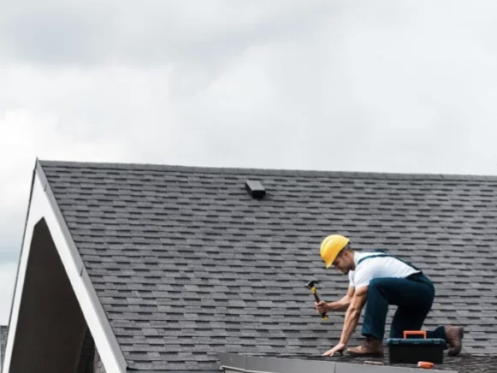
Owning a home is great – until something breaks. Then, it can feel like you’re constantly shelling out cash to keep everything in working order. Few things are more stressful for a homeowner than a leaky roof. Ignoring the problem won’t make it go away. Trust me; I know from experience. Putting off roof repair often leads to much bigger headaches and larger expenses later.
Table Of Contents:
- Understanding Your Roof: More Than Just Shingles
- Roof Repair vs. Replacement: Making the Tough Call
- Choosing a Roofing Contractor: A Partnership, Not Just a Transaction
- Roof Repair Cost: It’s More Than Just a Number
- FAQs
- Conclusion
Understanding Your Roof: More Than Just Shingles
It’s easy to think a roof is simply shingles or tiles keeping the rain out. In reality, it’s a complex system with various parts working together to protect your home. Understanding these different components is key to making smart decisions about roof repair.
Key Components of a Roof and Their Roles in Roof Repair:
Your roof’s anatomy can vary depending on its style and materials. Here’s a look at the usual suspects you’ll encounter in roof repair projects.
1. Shingles or Tiles: The First Line of Defense:
These are the most visible part of your roof. Shingles come in asphalt, wood, slate, metal, and tile, offering various levels of durability and aesthetics. Roofing contractors often work with various roofing materials and can help you choose the best option for your needs.
Over time, shingles can warp, crack, or become loose, necessitating roof repair or replacement. The repair costs for these issues can vary depending on the severity of the damage.
2. Underlayment: Your Roof’s Unsung Hero
Beneath your shingles, the underlayment acts as a second layer of protection. This waterproof barrier prevents leaks even if water gets past your shingles.
During roof repairs, inspecting the underlayment is crucial to ensure its integrity and prevent future leaks. A minor repair to the underlayment can save you from costly replacement costs in the future.
3. Flashing: Protecting the Vulnerable Spots
Flashing consists of metal strips strategically placed around chimneys, vents, skylights, and valleys (where roof sections meet). Its job is to direct water flow and prevent it from seeping into your home.
Deteriorated flashing is a frequent culprit in leaks, making it an essential element in many roof repair jobs. Repairing or replacing damaged flashing is a common part of many roofing projects.
4. Gutters: More Than Just Leaf Collectors
Gutters may seem peripheral, but they play a critical role in your roof’s longevity. They channel rainwater away from your home’s foundation, preventing damage.
Clogged gutters can force water back up under the roofline, leading to leaks. Always make sure your gutters are clear and functional. Incorporate gutter cleaning into your regular roof maintenance to save yourself a big headache (and a bigger repair bill).
Roof Repair vs. Replacement: Making the Tough Call
Repairing your roof might seem like the most budget-friendly option. But if the damage is extensive or the roof nearing the end of its lifespan, you might end up spending more on continual patching than on a full roof replacement.
A roof replacement would give you a fresh start and potentially increase your home’s value. Understanding your roof’s condition, age, and the extent of damage is crucial in choosing the most cost-effective solution.
Signs You Might Need Roof Repair
Don’t wait for water to start dripping on your head. Be proactive. Familiarizing yourself with common warning signs can save you a world of trouble (and expense). These signs often signal a roof in need of immediate attention.
1. Missing, Damaged, or Curling Shingles: The Obvious Telltales
Inspect your roof after severe storms for missing, broken, or loose shingles. Curling shingles are also a clear sign of aging and potential leaks.
These are often the first indicators of roof problems. Addressing them quickly, such as replacing shingles, can prevent small issues from escalating into major headaches.
2. Water Stains or Leaks in the Attic: Investigate Further
Don’t dismiss dark spots or streaks on your attic walls or ceilings. These could be telltale signs of a leaky roof. Investigate the source immediately.
Damp insulation is another warning flag indicating potential roof damage. Getting regular roof inspections can help catch these problems early on.
3. Sagging Roof Deck: A Serious Red Flag
A sagging or uneven roof deck indicates structural damage requiring immediate professional attention. It’s not something to mess around with, so call in the experts like Loyalty Exterior Solutions. This type of damage could require extensive repair or even replacing rafters.
When Roof Replacement Makes More Sense
While localized repairs are ideal for minor roof damage, certain situations warrant a full roof replacement. A new roof, despite seeming like a bigger upfront expense, can save money in the long run. It prevents ongoing repair needs and offers greater peace of mind.
1. Roof Age: Nothing Lasts Forever
A typical asphalt shingle roof lasts 20-25 years. Other types of roofing materials, such as metal roofing, have varying lifespans. If yours is approaching this age, plan for a replacement to avoid sudden leaks.
This proactive approach allows you to budget accordingly and avoid being caught off guard by a failing roof. Consider setting aside funds each month to prepare for this major expense.
2. Extensive Damage: Don’t Just Patch and Hope
If damage covers a large portion of your roof (think storm damage or widespread decay), repair might be like putting a band-aid on a broken arm.
Consider a replacement. Investing in a new roof provides comprehensive protection and avoids ongoing repairs, saving money and hassle in the long run.
3. Increasing Energy Bills: Could Your Roof Be the Culprit?
A damaged roof can wreak havoc on your home’s energy efficiency. If you’ve noticed your energy bills creeping up, it might be a subtle but costly side-effect.
Addressing roof issues, whether through repair or replacement, helps seal any gaps, leading to potential savings on your monthly utility costs. Who doesn’t love saving money?
Choosing a Roofing Contractor: A Partnership, Not Just a Transaction
Finding a trustworthy roofing contractor such as Loyalty Exterior Solutions is crucial for a smooth roof repair experience. Remember, your roof is critical in safeguarding your most valuable asset – your home.
Key Considerations When Choosing a Roofing Professional
1. Do Your Research: Ask Around, Check Reviews
Don’t just jump on the first enticing online ad you see. Ask friends, neighbors, or family for recommendations.
Local hardware stores can also be great sources of information and contractor referrals. Look for contractors who have experience with your specific type of roof, such as a flat roof or a metal roof.
2. Licensing and Insurance: Protecting Yourself and Your Property
This is non-negotiable. A legitimate contractor should have proper licensing and insurance. Ask for proof before signing on the dotted line.
This documentation ensures they meet industry standards, offering financial protection in case of any mishaps during the project.
3. Get Multiple Estimates: An Investment of Time Well Worth It
Don’t settle for the first bid you receive. Gathering multiple estimates from roofing contractors allows you to compare costs, services, and proposed materials.
Doing so ensures you get a competitive price. Remember, cheapest doesn’t always equal best.
4. Clear Communication Is Key
Don’t be afraid to ask questions. A trustworthy contractor is patient and explains things clearly. Ensure they fully understand your needs, and you’re comfortable with their communication style before proceeding.
5. Written Contracts Provide Peace of Mind
Get everything in writing – the scope of work, materials, timelines, payment schedules, and warranties. A detailed contract protects you and your investment, clarifying project details.
A reputable contractor will provide you with a comprehensive written agreement outlining all aspects of the project.
Roof Repair Cost: It’s More Than Just a Number
Roofing costs vary greatly depending on a variety of factors. Getting quotes from reputable roofers gives you a more realistic picture of expenses. Make sure you understand the total cost, including material costs and labor costs.
Factors Influencing Roofing Costs
Understanding these elements prepares you for discussions with contractors, avoiding surprises. Don’t hesitate to ask for clarification on anything you don’t understand.
1. Roof Size: Size Matters in the World of Roofing
The larger the surface area to cover, the more materials, time, and ultimately, the higher the cost. A straightforward concept with significant budget implications.
For example, the average roof repair cost will be much lower than the cost to replace roof if you need a new one.
2. Roof Pitch and Accessibility: Challenges Equal Higher Costs
Steeper pitches and complex rooflines pose additional challenges. Anticipate higher labor costs due to the specialized skills and equipment required for such projects.
Safety measures and time-intensive labor contribute to the overall cost. The cost to replace roof will also be impacted by these factors.
3. Choice of Roofing Materials: Striking a Balance
The market offers an array of options, from affordable asphalt shingles to durable but pricier metal, concrete tiles, and clay tile. This is where weighing durability, aesthetics, and, of course, budget considerations comes in.
Understanding your home’s architectural style, the climate you live in, and your aesthetic preferences guides this important decision. Factor in longevity as a crucial element.
4. Labor Costs Vary by Region
Where you live matters more than you might think. Consider location-based factors like the cost of living, local competition, and demand for roof repair services, all playing a part.
Remember, experienced roofers, often with a proven track record and skilled labor, might charge a premium but potentially provide greater peace of mind in terms of workmanship.
Here are some additional cost factors to keep in mind:
- Removing debris from the old roof.
- Installing a new roof ventilation system.
- Code upgrades required by your local municipality.
As you can see, the cost factors involved in a roofing project can vary widely. That’s why it’s important to get multiple roofing estimates from reputable roofing contractors before making a decision.
FAQs
What is the average roof repair cost?
The average roof repair cost can range widely depending on factors such as the type of repair, the roofing materials needed, and the contractor’s labor rates. Simple repairs, such as replacing a few missing shingles, can be relatively inexpensive, often costing a few hundred dollars.
However, more complex repairs, like fixing extensive damage from a storm or replacing large sections of the roof, can run into thousands of dollars.
How much does it cost to replace roof shingles?
The cost to replace roof shingles depends on factors like the roof size (measured in square footage), the type of shingles chosen (asphalt shingles, architectural shingles, metal shingles, etc.), and the complexity of the roof design.
On average, replacing asphalt shingles can range from $5 to $10 per square foot, while more premium options like metal shingles or slate roofs can cost significantly more.
How can I find a reputable roofing contractor near me?
Start by seeking recommendations from friends, family, neighbors, or even local hardware stores. Online reviews on platforms like Google My Business, Yelp, or Angie’s List can also offer valuable insights into other homeowners’ experiences with roofing contractors in your area.
Additionally, consider checking with organizations like the Better Business Bureau or local contractor licensing boards to ensure the roofing contractor is licensed and has a good track record.
What type of roofing material is the most durable?
Several roofing materials are known for their durability, each with pros and cons. Metal roofs, especially those made from steel, aluminum, or copper, are renowned for their longevity, often lasting 50 years or more with proper maintenance. They offer excellent resistance to extreme weather, fire, and pests.
Slate roofs are another highly durable option, boasting a lifespan of up to a century or more. However, they come at a premium cost and require specialized installation. Concrete tiles and clay tiles also offer remarkable durability, typically lasting several decades. Choosing the most durable roofing material often involves balancing longevity, cost, aesthetic preferences, and the architectural style of your home.
How often should I have my roof inspected by a professional?
It’s generally recommended to have your roof inspected by a professional roofing contractor at least once a year, ideally during the spring or fall when the weather is milder.
These routine roof inspections can help identify potential problems early on, such as missing shingles, damaged flashing, or signs of wear and tear. Addressing minor issues promptly can often prevent them from escalating into more significant (and costly) repairs down the line.
What are some common signs of a leaky roof?
Keep an eye out for telltale signs like water stains or streaks on your ceilings or walls, especially after rainfall. Damp insulation in the attic is another red flag. Check for signs of mold or mildew growth, which can thrive in moist environments created by leaks.
Outside, inspect your roof for missing, damaged, or curled shingles. Pay attention to areas around chimneys, vents, and skylights, as these are common leak-prone zones. If you notice any of these signs, it’s best to call a professional roofing contractor to assess the situation and recommend the appropriate course of action.
Conclusion
Facing roof repair issues can be daunting, but proactive measures, understanding your roof’s needs, and choosing the right contractor are crucial steps towards a successful project. Regular roof maintenance is an investment that pays off.
By being informed and seeking professional guidance when needed, you can ensure the longevity and integrity of your roof. Remember, a well-maintained roof offers protection from the elements and peace of mind for you and your family.
