
Selecting the right roofing contractor is crucial for ensuring the quality and longevity of your roof. Whether you need a new roof, repairs, or routine maintenance, choosing a reputable and skilled contractor can make all the difference. Here’s a comprehensive guide on what to look for when selecting a roofing contractor.
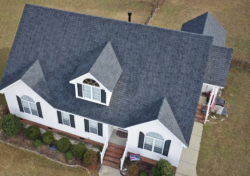
What should a roofing contractor have?
Experience and Reputation
Years in Business
A contractor with many years of experience is likely to provide high-quality work. Experienced contractors have encountered a variety of roofing issues and have developed the skills necessary to address them effectively. Loyalty Exterior Solutions has over 10 years of experience with all types of roofing needs.
References and Reviews
Ask for references from previous clients and check online reviews. Positive testimonials and high ratings on sites like Google, Yelp, and the Better Business Bureau (BBB) indicate reliable service and customer satisfaction. Contact previous clients to ask about their experience with the contractor and the quality of the work performed.
Licensing and Insurance
Proper Licensing
Ensure that the roofing contractor is properly licensed in your state. Licensing requirements vary by state, but a licensed contractor has met the necessary regulations and standards. You can verify their license status through your state’s licensing board.
Insurance Coverage
A reputable roofing contractor should have both liability insurance and workers’ compensation insurance. Liability insurance protects your property in case of damage during the project, while workers’ compensation covers any injuries sustained by workers on your property. Ask for proof of insurance and verify its validity.
Written Estimates and Contracts
Detailed Estimates
Request a written estimate that includes a detailed breakdown of costs for materials, labor, and any additional expenses. A transparent estimate helps you understand what you are paying for and prevents unexpected charges.
Clear Contracts
Before work begins, ensure you have a written contract that outlines the project scope, timeline, payment schedule, and warranty details. A clear contract protects both you and the contractor and sets expectations for the project.
Warranty and Guarantee
Manufacturer’s Warranty
Check if the contractor offers a manufacturer’s warranty on roofing materials. This warranty ensures that the materials used are of high quality and will last as expected.
Workmanship Guarantee
A reliable contractor should also provide a workmanship guarantee, covering any issues related to the installation or repair work. This guarantee gives you peace of mind knowing that the contractor stands behind their work.
Local Knowledge
Understanding of Local Codes and Regulations
A local contractor is more likely to be familiar with the building codes and regulations specific to your area. This knowledge ensures that your roof meets all local requirements and passes any necessary inspections.
Weather Considerations
Local contractors understand the climate and weather conditions in your area. They can recommend the best materials and installation techniques to ensure your roof withstands local weather patterns.
Communication and Professionalism
Responsiveness
Choose a contractor who is responsive and communicative. They should promptly return your calls, answer your questions, and provide updates on the project’s progress.
Professionalism
Professionalism is key to a successful roofing project. The contractor and their team should be punctual, respectful, and clean up the job site after completing the work. Observing how they conduct themselves during the initial consultation can give you an idea of their professionalism.
High-Quality Materials
Ensure the contractor uses high-quality roofing materials from reputable manufacturers. The quality of materials directly affects the durability and longevity of your roof. Discuss the options available and ask for recommendations based on your budget and needs.
Certifications and Affiliations
Industry Certifications
Contractors with industry certifications from organizations like the National Roofing Contractors Association (NRCA) or the Roofing Contractors Association of Your State demonstrate a commitment to professionalism and ongoing education.
Manufacturer Certifications
Some roofing manufacturers offer certifications to contractors who have completed specialized training in installing their products. Contractors with these certifications are often more knowledgeable and experienced with specific roofing materials.
Safety Practices
Safety Protocols
Ask about the contractor’s safety protocols and training programs. A contractor who prioritizes safety reduces the risk of accidents and injuries on your property. Verify that they follow Occupational Safety and Health Administration (OSHA) guidelines.
Conclusion
Choosing the right roofing contractor requires careful consideration of their experience, reputation, licensing, insurance, warranties, local knowledge, communication, professionalism, quality of materials, certifications, safety practices, and payment terms. By taking the time to evaluate these factors, you can select a contractor who will provide high-quality work and ensure the longevity and durability of your roof. At Loyalty Exterior Solutions, we pride ourselves on meeting these criteria and delivering exceptional roofing services to homeowners in Northborough, Hudson, Concord, and Ashland. Contact us today to discuss your roofing needs and experience the difference of working with a trusted roofing contractor.
