
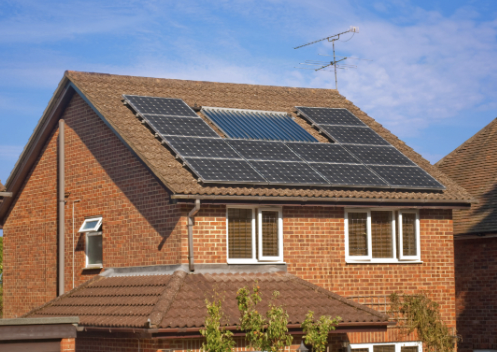
Listen, I get it. You’ve invested in solar panels to save money and help the environment. But here’s the thing: dirty panels can seriously hurt your energy production. I’m talking up to 25% less electricity. Yikes!
So, what’s a solar-powered homeowner to do? Well, my friend, that’s where solar panel cleaning comes in. It might not be the most glamorous task, but trust me, it’s essential. And I’m here to walk you through it, step by step.
Imagine your solar panels gleaming in the sunlight, capturing every precious ray. It’s time to make that vision a reality – let’s get cleaning!
Table Of Contents:
- Why Clean Solar Panels
- When to Clean Solar Panels
- Safety Considerations for Cleaning Solar Panels
- Tools and Materials Needed for Cleaning Solar Panels
- Step-by-Step Guide to Cleaning Solar Panels
- Avoiding Damage While Cleaning Solar Panels
- Professional Solar Panel Cleaning Services
- Maintaining Solar Panels Between Cleanings
- Frequently Asked Questions About Solar Panel Cleaning
- Conclusion
Why Clean Solar Panels
I’ve been in the solar energy game for over a decade now. And let me tell you, one of the most important things I’ve learned is that keeping your solar panels clean is absolutely crucial.
It’s not just about aesthetics (although, let’s be real, no one wants to see a bunch of dirty panels on their roof). It’s about making sure your panels are working at their maximum efficiency.
Benefits of Cleaning Solar Panels
Here’s the deal: when your solar panels are covered in dirt, dust, bird droppings, or whatever else the great outdoors decides to throw at them, they can’t absorb as much sunlight. And less sunlight means less energy production.
In fact, according to a study by the National Renewable Energy Laboratory, dirty solar panels can decrease energy output by up to 7%. That might not sound like a lot, but trust me, it adds up.
How Dirty Panels Affect Energy Production
Think about it this way: if you have a 5 kW solar panel system and you’re losing 7% of your energy production due to dirty panels, that’s like throwing away 350 watts of power every single day. Over the course of a year, that’s almost 128 kWh of wasted energy.
But here’s the good news: by simply cleaning your solar panels regularly, you can make sure they’re always working at their best. It’s like giving your car a tune-up or your computer a software update – a little bit of maintenance goes a long way.
When to Clean Solar Panels
If you’re a solar panel owner, you’ve likely pondered the question: “What’s the ideal cleaning frequency for my panels?” The reality is that there’s no universal answer. Your solar panels’ cleaning needs are influenced by a range of variables specific to your installation.
Factors Affecting Cleaning Frequency
Several variables come into play when figuring out the ideal cleaning frequency for your solar panels. Where you live, the climate conditions, and your roof’s pitch are just a few factors to consider.
- Geographic location: If you live in an area with a lot of dust, pollen, or pollution, you might need to clean your panels more often.
- Weather conditions: Rain can actually help keep your panels clean, but if you live in a dry climate, you might need to do some extra maintenance.
- Tilt angle: Panels with a steeper tilt tend to stay cleaner than those that are flatter, since debris is more likely to slide off.
Signs It’s Time to Clean Your Panels
So how do you know when it’s time to break out the hose and sponge? Here are a few signs to look out for:
- Visible dirt or debris on the panels
- A noticeable decrease in energy production
- It’s been more than a few months since your last cleaning
As a general rule of thumb, I recommend cleaning your solar panels at least twice a year – once in the spring and once in the fall. But if you notice any of the signs above, it might be time for an extra cleaning session.
Safety Considerations for Cleaning Solar Panels
Hold up. Before you start scrubbing those solar panels, make sure you’ve thought through the safety side of things. Ladders and buckets can be a dangerous combo if you’re not careful.
Proper Safety Equipment
First and foremost, make sure you have the right safety equipment. That means:
- A sturdy ladder that’s tall enough to reach your panels safely
- Non-slip shoes or boots
- Gloves to protect your hands
- Safety goggles to keep any cleaning solution or debris out of your eyes
If you’re not comfortable working on a ladder or your roof, it’s always better to call in a professional cleaning service. Trust me, it’s not worth risking your safety just to save a few bucks.
Precautions to Take While Cleaning
Your safety gear is on, but that’s not all – keep these important considerations in mind as you move forward.
- Never clean your panels when they’re hot – wait until early morning or evening when they’ve had a chance to cool down.
- Use a soft brush or sponge to avoid scratching the surface of the panels.
- Avoid using harsh chemicals or abrasive cleaners that could damage the panels.
- If you’re using a hose, be careful not to spray water directly into any electrical components.
And of course, always make sure someone knows you’re up on the roof just in case anything happens. Better safe than sorry, right?
Maintaining clean solar panels is a small but mighty action in the grand scheme of creating a more sustainable future. By keeping your panels in top condition, you’re ensuring they’re always working efficiently – which means more clean energy, lower bills, and a healthier planet for all of us.
Key Takeaway:
Keeping your solar panels clean boosts their efficiency, saving you money and contributing to a greener planet. It’s like a quick tune-up that pays off big time.
Tools and Materials Needed for Cleaning Solar Panels
I’ve been cleaning solar panels for over a decade now. And let me tell you, having the right tools and materials makes all the difference.
It’s not just about getting the job done – it’s about doing it safely and effectively, without damaging those precious panels.
Choosing the Right Cleaning Solution
Choosing a solar panel cleaning solution might seem overwhelming, but here’s a tip: don’t overthink it. Stick with a straightforward approach and your panels will thank you.
A bucket of warm water mixed with a bit of mild dish soap is my go-to. It’s gentle enough not to damage the panels but tough enough to cut through grime.
If you’re feeling fancy, you can spring for a specialized solar panel cleaning solution. But honestly, dish soap does the trick just fine.
The key is to avoid harsh chemicals at all costs. Things like bleach, ammonia, or pressure washer detergents are a hard no. They might make your panels sparkle, but they’ll also eat away at the protective coatings and seals.
Gathering Necessary Tools
Now that you’ve got your cleaning solution sorted, it’s time to round up your tools. Here’s what you’ll need:
- A soft brush or sponge for scrubbing
- A squeegee for removing excess water
- A garden hose with a spray nozzle attachment
- A ladder or extension pole, depending on the height of your panels
- Safety gear like gloves and non-slip shoes
Remember, your panels are delicate. So leave the stiff brushes and abrasive sponges for your dishes. Opt for something soft and non-scratchy, like a microfiber cloth or sponge.
And please, for the love of solar, don’t even think about using a pressure washer. The high-powered spray can crack or shatter the panels faster than you can say “renewable energy.”
Step-by-Step Guide to Cleaning Solar Panels
Alright, you’ve got your tools and cleaning solution. You’re ready to get those panels sparkling. Here’s how to do it, step by step.
Preparing the Area
First things first, safety. Make sure your ladder or extension pole is securely positioned and stable. If you’re not comfortable with heights, no shame in calling a pro.
Next, give your panels a quick once-over. Brush off any loose debris like leaves or twigs. If you spot any bird droppings or stubborn gunk, make a mental note – you’ll come back to those spots.
Applying Cleaning Solution
Time to break out that cleaning solution. Dip your soft brush or sponge into the soapy water and start scrubbing gently.
Work in sections, starting from the top of the panel and moving downward. Don’t forget to hit those edges and corners where dirt loves to hide.
If you come across any stubborn stains, resist the urge to scrub harder. Just let the soapy water sit for a minute or two, then try again with a little extra elbow grease.
Rinsing and Drying Panels
Once you’ve given the panels a good scrub, it’s time to rinse. Grab your garden hose and spray down each panel, starting at the top and working your way down.
Make sure to rinse thoroughly – you don’t want any soapy residue left behind. It can actually attract more dirt and grime over time.
To finish up, grab your squeegee and wipe away any lingering water droplets. Start at the top and work your way down, using overlapping strokes to banish streaks and spots for a pristine finish.
And there you have it – clean solar panels, ready to soak up that sweet, sweet sunshine.
Avoiding Damage While Cleaning Solar Panels
Keeping your solar panels clean is a breeze. Just remember a couple of important pointers to avoid any “oops” moments that could lead to costly repairs.
Substances to Avoid
I’ve said it before, but it bears repeating: steer clear of harsh chemicals. That means no bleach, no ammonia, no abrasive cleaners.
You might be tempted to reach for a bottle of cleaning spray to make your panels shine, but resist the urge. Those substances will destroy the coatings that protect your panels from the elements. Without that layer of defense, you could end up with a cracked, leaking mess on your hands – and a serious dip in energy production.
If you’re unsure whether a cleaning product is safe for your panels, always err on the side of caution. Stick with plain old soap and water, or consult your panel manufacturer for recommendations.
Cleaning During Cooler Hours
Timing is everything when it comes to cleaning solar panels. You might be tempted to tackle the job during the hottest part of the day, when the sun is shining bright. But trust me, that’s a recipe for disaster.
When solar panels heat up, they become more susceptible to damage. Spraying cold water on a hot panel can cause thermal shock, which can lead to cracks and other issues.
Plus, working on a scorching hot roof is just plain miserable. Save yourself the sweat and the potential damage by cleaning your panels during the cooler hours of the day, like early morning or late afternoon.
And if you can, try to schedule your cleaning for a cloudy day. The panels will be cooler to the touch, and you won’t have to squint through the glare of the sun while you work.
Key Takeaway:
Having the right tools and a simple cleaning solution, like soap and water, is key to safely and effectively clean your solar panels. Remember to avoid harsh chemicals, use soft brushes or sponges, and clean during cooler parts of the day to prevent damage.
Professional Solar Panel Cleaning Services
If you feel uncomfortable in any way, or are not sure you can clean your solar panels safely, do not attempt this job. Instead, hire a professional like Loyalty Exterior Solutions to clean your solar panels.
When to Consider Professional Cleaning
If your solar panels are difficult to access or you’re uncomfortable with the cleaning process, consider hiring a professional cleaning service. Professional cleaners have the equipment and expertise to safely and effectively clean your panels. I’ve seen it firsthand.
Choosing a Reputable Company
When selecting a professional cleaning company, look for one with experience in solar panel cleaning and positive customer reviews. Many solar companies offer free estimates, so be sure to compare prices and services before making a decision. Don’t just go with the first company you find. Do your research, read reviews, and ask for references. A reputable company will be transparent about their process and pricing. They’ll also have the proper insurance and certifications. I learned this lesson the hard way when I hired a company that offered a suspiciously low price. Turns out, they cut corners and ended up damaging one of my panels. Lesson learned. Now, I always go with a company I trust, even if it costs a bit more. It’s worth it for the quality and reliability.
Maintaining Solar Panels Between Cleanings
Cleaning your solar panels is important, but it’s not the only maintenance task you should be doing. To keep your panels in top shape and maximize their efficiency, there are a few things you can do between cleanings.
Regular Visual Inspections
Between cleanings, perform regular visual inspections of your solar panels to check for any damage, soiling, or debris accumulation. Catching issues early can help prevent more serious problems down the line. I make it a habit to take a quick look at my panels every few weeks. I’ll walk around my property and look for any obvious signs of damage or buildup. If I spot something concerning, I’ll make a note to address it during the next cleaning or call in a professional if needed.
Trimming Nearby Trees
To reduce the amount of debris falling on your solar panels, trim any overhanging tree branches near your array. This will not only minimize soiling but also prevent potential damage from falling limbs. I learned this lesson the hard way. I had a beautiful oak tree that provided shade for my backyard, but it also dropped leaves and acorns onto my solar panels. I put off trimming it for too long, and one day, a heavy branch fell and cracked one of my panels. Now, I make sure to keep my trees trimmed and away from my array.
Frequently Asked Questions About Solar Panel Cleaning
I get a lot of questions about solar panel cleaning from homeowners who are new to solar energy. Here are some of the most common ones:
- How much does professional solar panel cleaning cost?
- Can I use a pressure washer to clean my solar panels?
- Do solar panels need to be cleaned in the winter?
- Will cleaning my solar panels void my warranty?
The cost of professional cleaning varies depending on the size of your array and the company you choose. On average, expect to pay around $150-$350 for a full cleaning. As for pressure washers, I don’t recommend using them on solar panels. The high pressure can damage the delicate surface of the panels. Stick to a soft brush and gentle cleaning solution. Cleaning your panels in the winter is generally not necessary, as snow will usually melt and slide off on its own. However, if you live in an area with heavy snowfall, you may want to consider a winter cleaning to maximize your energy efficiency. Finally, cleaning your panels should not void your warranty, as long as you follow the manufacturer’s guidelines and use approved cleaning methods. If you’re unsure, always check with your manufacturer before cleaning. The bottom line? Regular cleaning and maintenance can help you get the most out of your solar panels and save money in the long run. Whether you choose to DIY or hire a professional, keeping your panels clean is key to maintaining their maximum efficiency.
Key Takeaway:
Feeling unsure about cleaning your solar panels? It’s smart to hire a pro. They’ve got the tools and skills for safe, effective cleaning. Do your homework before picking a company: check reviews, ask questions, and don’t go cheap—it might cost you more in damage repairs. Keep an eye on your panels between cleanings; small steps like regular checks and trimming trees can prevent big headaches later.
Conclusion
Solar panel cleaning might seem like a chore, but it’s a small price to pay for the big benefits. By keeping your panels clean, you’re ensuring they work at their best, saving you money and helping the planet. It’s a win-win!
Remember, safety first. If you’re not comfortable climbing on your roof or using a ladder, there’s no shame in calling in the pros. They’ve got the tools and expertise to get the job done right.
So, whether you decide to tackle solar panel cleaning yourself or hire a professional, just make sure it gets done. Your panels (and your wallet) will thank you. Here’s to a brighter, cleaner future powered by the sun!
