
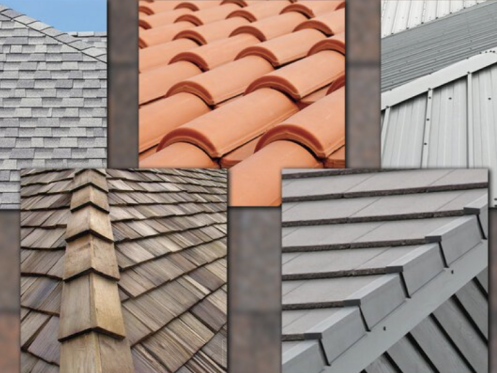
Ever wondered what roofing material lasts the longest? If you’re a homeowner considering roof replacement or building a new home, this question is crucial. With so many choices out there—from asphalt shingles to metal roofs—making an informed decision can save you time and money in the long run.
I get it; nobody wants to deal with frequent repairs or replacements. The good news? Some materials offer incredible longevity that can span decades—or even centuries! Whether it’s slate’s classic appeal or metal’s modern flair, there’s something for everyone.
Let’s dive into which roofing materials stand the test of time and how they stack up against each other.
Table Of Contents:
- The Longest Lasting Roofing Materials
- Comparing the Durability of Different Roof Types
- Factors That Affect Roof Longevity
- Maximizing the Life Span of Your Roof
- Choosing the Right Roofing Material for Your Home
- Conclusion
The Longest Lasting Roofing Materials
When it comes to choosing a roof, one of the most important factors to consider is longevity. After all, who wants to replace their roof every few years? The good news is, there are several roofing materials that can provide decades of protection for your home. So, what roofing material lasts the longest? Let’s take a closer look at some of the most durable roofing materials on the market.
Asphalt Shingles
Asphalt shingles are the most common roofing material in the United States, and for good reason. They’re affordable, easy to install, and come in a variety of colors and styles. But how long do they last? On average, a properly installed and maintained asphalt shingle roof can last around 20-30 years. However, premium asphalt shingles, such as architectural or laminated shingles, can last up to 50 years or more.
Metal Roofing
Metal roofing has gained popularity in recent years, thanks to its durability, energy efficiency, and sleek appearance. But is it a long-lasting roof material? Absolutely. A high-quality metal roof can last 40-70 years, depending on the type of metal and the coating used. Some metal roofs, such as copper or zinc, can even last over 100 years with proper care.
Slate Roofing
If you’re looking for a truly long-lasting roof, slate is hard to beat. This natural stone material has been used for centuries, and for good reason. A properly installed slate roof can last 75-200 years or more, making it one of the longest-lasting roofing materials available. In fact, there are slate roofs still in use today that were installed over 100 years ago.
Tile Roofing
Tile roofing, whether made from clay or concrete, is another exceptionally durable option. These materials are resistant to fire, insects, and extreme weather conditions, making them ideal for homes in certain climates. A tile roof can last 50-100 years or more, depending on the quality of the materials and the installation. In fact, some clay tile roofs have been known to last over 100 years with proper maintenance.
Wood Shingles and Shakes
While not as long-lasting as some other materials, wood shingles and shakes can still provide decades of protection for your home. Cedar shakes, in particular, are known for their durability and resistance to insects and decay. On average, a wood shingle or shake roof can last 30-50 years, depending on the quality of the materials and the climate. However, regular maintenance, such as cleaning and staining, is essential to maximize the lifespan of a wood roof.
Comparing the Durability of Different Roof Types
Now that we’ve looked at some of the longest-lasting roofing materials, let’s compare the durability of different roof types. After all, not all roofs are created equal, even if they’re made from the same material.
Asphalt Shingle Roofs
As mentioned earlier, asphalt shingle roofs are the most common type of roof in the United States. They’re affordable, easy to install, and come in a variety of colors and styles. But how do they compare in terms of durability? On average, a standard 3-tab asphalt shingle roof will last around 20-25 years. However, higher-quality architectural or laminated shingles can last up to 30-50 years or more with proper maintenance. It’s important to note that the lifespan of an asphalt shingle roof can be affected by several factors, such as the quality of the materials, the installation process, and the climate. Extreme temperatures, high humidity, and severe weather events can all take a toll on an asphalt roof over time.
Metal Roofs
Metal roofs are known for their exceptional durability and longevity. In fact, a high-quality metal roof can last 40-70 years or more, depending on the type of metal and the coating used. One of the biggest advantages of a metal roof is its resistance to extreme weather conditions. Metal roofs can withstand high winds, heavy snow and rain, and even hail without sustaining significant damage. They’re also resistant to fire, insects, and rot, making them a low-maintenance option for homeowners. However, it’s important to choose a high-quality metal roofing system from a reputable manufacturer to ensure maximum durability. Cheaper, low-quality metal roofs may not offer the same level of protection and may require more frequent repairs or replacement.
Slate Roofs
Slate roofs are often considered the gold standard when it comes to durability. This natural stone material has been used for centuries, and there are many examples of slate roofs that have lasted over 100 years with proper care. In fact, a properly installed slate roof can last 75-200 years or more, depending on the quality of the materials and the installation process. Slate is incredibly resistant to fire, insects, and extreme weather conditions, making it an ideal choice for homes in certain climates. However, slate roofs are also one of the most expensive roofing options, and they require specialized installation and maintenance. They’re also very heavy, which means your home’s structure must be able to support the weight of the roof.
Tile Roofs
Tile roofs, whether made from clay or concrete, are another incredibly durable option. These materials are resistant to fire, insects, and extreme weather conditions, making them ideal for homes in certain climates. On average, a tile roof can last 50-100 years or more, depending on the quality of the materials and the installation process. In fact, there are many examples of clay tile roofs that have lasted over 100 years with proper maintenance. However, like slate roofs, tile roofs can be expensive and require specialized installation and maintenance. They’re also very heavy, which means your home’s structure must be able to support the weight of the roof.
Wood Shingle and Shake Roofs
Wood shingle and shake roofs are a popular choice for homeowners who want a natural, rustic look for their home. While not as long-lasting as some other materials, wood roofs can still provide decades of protection with proper care. On average, a wood shingle or shake roof will last 30-50 years, depending on the quality of the materials and the climate. Cedar shakes, in particular, are known for their durability and resistance to insects and decay. However, wood roofs require more maintenance than some other materials, such as regular cleaning and staining to prevent rot and insect infestations. They’re also more susceptible to fire than some other roofing materials, which means they may not be suitable for all climates. So, what roofing material lasts the longest? While there are several durable options to choose from, slate and tile roofs are often considered the longest-lasting roofing materials. However, metal roofs are also incredibly durable and can provide decades of protection for your home. Ultimately, the best roofing material for your home will depend on your budget, climate, and personal preferences. By working with a reputable roofing contractor and choosing high-quality materials, you can ensure that your roof will provide lasting protection for your home for many years to come.
Key Takeaway:
When choosing a long-lasting roof, consider slate or tile. Both can last over 100 years with proper care. Metal roofs are also durable, lasting up to 70 years or more. Your best choice depends on your budget and climate.
Factors That Affect Roof Longevity
When it comes to answering the question, “What roofing material lasts the longest?”, there are several factors that come into play beyond just the type of material used. The lifespan of your roof depends on a variety of elements, from the quality of installation to the climate and weather conditions it’s exposed to over time.
Quality of Installation
I’ve seen firsthand how a poor installation job can drastically reduce the life expectancy of a roof, no matter what material it’s made of. Improper installation techniques, such as inadequate nail placement or incorrect flashing around chimneys and vents, can lead to leaks, damage, and premature aging of your roofing materials. That’s why it’s crucial to choose a reputable, experienced contractor who follows manufacturer guidelines and industry best practices to ensure your roof is installed correctly from the start.
Roof Maintenance
Regular maintenance is key to maximizing the lifespan of your roof and preventing the need for a premature roof replacement. This includes tasks like cleaning gutters, removing debris, and promptly addressing any signs of damage or wear. I recommend scheduling professional roof inspections at least once a year to catch potential issues early on and extend the life of your roofing materials. Neglecting maintenance can lead to a host of problems, from clogged gutters causing water damage to missing shingles exposing your roof decking to the elements.
Climate and Weather
The climate and weather conditions in your area play a significant role in determining how long your roof will last. Extreme temperatures, high humidity, and severe weather events like hail, heavy snowfall, or strong winds can all take a toll on your roofing materials over time. In regions prone to severe weather conditions, it’s especially important to choose a durable roofing material that can withstand the elements and protect your home for decades to come.
Ventilation and Insulation
Proper ventilation and insulation are essential for maintaining the health and longevity of your roof. Inadequate ventilation can lead to moisture buildup in your attic, which can cause damage to your roof decking and support structure over time. Insufficient insulation can also allow heat to escape through your roof, leading to ice dams and other issues in colder climates. To maximize the lifespan of your roofing materials, make sure your attic has adequate ventilation and insulation to regulate temperature and moisture levels.
Roofing Materials Used
Of course, the type of roofing material you choose will have a significant impact on the longevity of your roof. As we’ve discussed, materials like clay tiles, concrete tiles, and slate are known for their exceptional durability, with lifespans of 100 years or more. Metal roofs, particularly those made of steel or copper, can also last 50 years or more with proper maintenance. Asphalt shingles, while more affordable, typically have a shorter lifespan of 20-30 years. Ultimately, investing in high-quality, durable roofing materials that are well-suited to your climate is one of the best ways to ensure a long-lasting roof.
Maximizing the Life Span of Your Roof
So, what can you do to get the most out of your roofing investment and enjoy a durable, long-lasting roof? Here are some tips I’ve learned over my years in the roofing industry:
Regular Roof Inspections
One of the most important things you can do to maximize the lifespan of your roof is to schedule regular professional inspections. I recommend having your roof inspected at least once a year, ideally in the spring or fall. During an inspection, a trained roofing contractor like one from Loyalty Exterior Solutions, will thoroughly examine your roof for any signs of damage, wear, or potential issues. They can identify problems like loose or missing shingles, cracked tiles, or damaged flashing early on, before they have a chance to turn into major leaks or structural issues. Regular inspections can help you catch and address minor issues promptly, extending the life of your roof and saving you money on costly repairs down the line.
Timely Repairs
If your roofing contractor does identify any issues during an inspection, it’s crucial to address them in a timely manner. Ignoring a small leak or a few missing shingles may not seem like a big deal, but over time, these minor problems can escalate into major damage that compromises the integrity of your entire roof. By investing in prompt repairs, you can prevent water infiltration, protect your home’s structure, and add years to the life of your roofing materials. Remember, the longer you wait to address a roofing issue, the more extensive and expensive the repairs are likely to be.
Proper Ventilation
As I mentioned earlier, proper ventilation is essential for maintaining a healthy, long-lasting roof. Without adequate ventilation, heat and moisture can build up in your attic, leading to a host of problems like mold growth, wood rot, and damage to your roofing materials. To ensure proper ventilation, make sure your attic has a balanced system of intake vents along the eaves or soffits and exhaust vents at the ridge or gable ends. This allows cool, fresh air to enter your attic and hot, moist air to escape, regulating temperature and humidity levels. If you’re unsure whether your attic has sufficient ventilation, ask your roofing contractor to assess your ventilation system during your next inspection.
Adequate Insulation
In addition to ventilation, proper insulation is crucial for maximizing the lifespan of your roof. Insulation helps regulate the temperature in your attic, preventing heat from escaping through your roof in the winter and keeping your home cooler in the summer. Adequate insulation can also help prevent ice dams from forming on your roof in colder climates, which can cause significant damage to your roofing materials over time. If you suspect your attic insulation may be insufficient, consider having a professional energy audit performed to assess your insulation levels and recommend upgrades if necessary.
Choosing Quality Materials
Finally, one of the most important factors in maximizing the lifespan of your roof is choosing high-quality roofing materials from the start. While premium options like slate, tile, or metal may have a higher upfront cost compared to more affordable options like asphalt shingles, investing in quality materials can pay off in the long run. Higher-end roofing materials are often more durable, weather-resistant, and low-maintenance than their cheaper counterparts, which can translate to a longer lifespan and fewer repairs over time. When choosing roofing materials, look for products from reputable manufacturers like CertainTeed Landmark that offer strong warranties and have a proven track record of performance. While the initial installation costs may be higher, investing in quality materials can save you money in the long run by reducing the need for frequent repairs or premature roof replacement.
Key Takeaway:
For a long-lasting roof, focus on quality installation, regular maintenance, and choosing the right materials. Schedule yearly inspections to catch issues early. Proper ventilation and insulation are key. Durable materials like slate or metal can outlast cheaper options like asphalt shingles.
Choosing the Right Roofing Material for Your Home
When it comes to choosing the right roofing material for your home, there are a lot of factors to consider. It’s not just about finding the longest lasting roof (although that’s definitely important).
You also need to think about things like curb appeal, budget constraints, local climate, architectural style, and even building codes and regulations. It can feel overwhelming, but don’t worry – I’m here to break it all down for you.
Aesthetic Considerations
Let’s start with the fun stuff: aesthetics. Your roof plays a huge role in your home’s overall look and feel. It’s like the cherry on top of your curb appeal sundae.
When choosing a roof material, think about what style will best complement your home’s architecture and your personal taste. Do you love the rustic charm of wood shakes? The sleek, modern look of metal? The classic elegance of slate?
There’s no right or wrong answer here – it’s all about what speaks to you and enhances your home’s natural beauty.
Budget Constraints
Of course, we can’t talk about choosing a roofing material without addressing the elephant in the room: cost. Roofing is a significant investment, and it’s important to choose a material that fits within your budget.
That said, don’t just go for the cheapest option. Remember, your roof is protecting your home and everything in it. It’s worth investing in a quality material that will stand the test of time.
Consider the long-term cost of each material, not just the upfront price tag. A more expensive material like metal or tile may have a higher initial cost, but it could save you money in the long run by lasting longer and requiring less maintenance.
Local Climate
Your roof doesn’t exist in a vacuum – it has to withstand whatever Mother Nature throws at it. That’s why it’s crucial to choose a material that can handle your local climate.
If you live in an area with heavy snowfall, a metal roof might be a good choice because it allows snow to slide off easily. If you’re in a hot, sunny climate, tile or slate can help keep your home cool by reflecting heat.
And if you’re in a region prone to severe weather like hail or hurricanes, you’ll want a material that’s impact-resistant and can stand up to high winds. It’s all about finding the right fit for your specific location.
Architectural Style
Your roof should be a seamless extension of your home’s overall style. A Mediterranean-style home might look stunning with a clay tile roof, while a Victorian might be better suited to the classic look of slate.
It’s important to choose a roofing material that complements your home’s architecture, rather than clashing with it. The right roof can enhance your home’s beauty and character, while the wrong one can detract from it.
If you’re not sure what style would work best for your home, don’t be afraid to consult with a professional roofing contractor or architect. They can help guide you toward a material that will bring out the best in your home.
Building Codes and Regulations
Before you get too attached to a particular roofing material, make sure it’s allowed in your area. Building codes and regulations can vary widely from place to place, and some materials may not be permitted in certain regions.
For example, some areas may have restrictions on wood shakes due to fire hazard concerns. Others may require a minimum roof pitch for certain materials like tile or slate.
At the end of the day, choosing the right roofing material is a balancing act between aesthetics, cost, durability, and practicality. It’s about finding the option that checks all the boxes for your specific home and situation.
So take your time, do your research, and don’t be afraid to ask questions. With a little bit of knowledge and a lot of thought, you can find the perfect roof to top off your dream home – and keep it protected for years to come.
Key Takeaway:
Choosing the right roofing material involves balancing aesthetics, cost, durability, and local climate. Consider your home’s style and budget while ensuring compliance with building codes.
Conclusion
Knowing what roofing material lasts the longest gives you peace of mind and ensures your investment pays off over years—even generations!
From trusty old slate that could last over 100 years to high-tech metal roofs offering similar lifespans without breaking a sweat—the choice depends on both style preferences & budget constraints. And don’t forget those charming cedar shakes adding rustic beauty while lasting up half-century if cared properly!
Your dream roof awaits—a perfect blend between looks AND endurance just waiting become reality atop YOUR house soon enough too thanks insights shared here today about various types’ lifetimes & benefits overall truly making difference ultimately deciding factor best fit individual needs preferences alike really helping ensure long-lasting satisfaction guaranteed every single time choose wisely indeed!
