
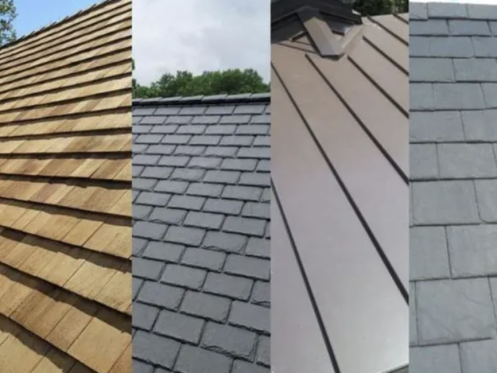
Whether you’re building a new house or renovating your existing one, choosing the right roof is crucial. You’ve probably wondered which roofing material is the most durable? With so many options like metal roofs, clay tiles, and asphalt shingles out there, it can be overwhelming. But don’t worry! I’m here to help you navigate through this maze.
The durability of your roof isn’t just about how long it lasts but also how well it withstands weather conditions and wear over time. From heavy rains to high winds – it’s got to handle everything Mother Nature throws at it. So let’s break down some of the top contenders in terms of longevity and reliability.
Table Of Contents:
- The Most Durable Roofing Materials
- Comparing Durability of Popular Roofing Options
- Factors Affecting Roof Durability and Longevity
- Advantages and Disadvantages of Durable Roofing Materials
- Choosing the Best Durable Roofing Material for Your Home
- Conclusion
The Most Durable Roofing Materials
When it comes to choosing a roof, there’s one factor that trumps all others:
Durability.
You want a roof that’s going to protect your home and everything in it for decades to come. A roof that can stand up to whatever Mother Nature throws its way, from scorching sun to pounding hail.
So, which roofing material is the most durable? Let’s take a closer look at some of the top contenders.
Metal Roofs
If you’re looking for a seriously tough roof, it’s hard to beat metal. Whether you choose steel, aluminum, copper or zinc, a metal roof offers unparalleled durability.
In fact, a properly installed metal roof can last 50 years or more with minimal maintenance. It’s resistant to fire, rot, insects and extreme weather. Plus, it’s energy-efficient, reflecting heat to keep your home cooler in summer.
I’ve seen metal roofs that still look great after decades of exposure to harsh elements. It’s truly one of the most durable roofing materials out there.
Clay Tiles
For centuries, clay tiles have been prized for their beauty and durability. These natural, earthy tiles can last 100 years or more, making them one of the longest-lasting roofing options.
Clay tiles are resistant to fire, insects and rot. They’re also great at shedding rain and snow, preventing leaks and moisture damage. The density of clay makes it highly resistant to impact from hail or falling branches.
I love the classic look of clay tile roofs, and the fact that they just seem to get better with age. If you want a roof that will be the envy of the neighborhood for generations, clay tiles are a fantastic choice.
Slate Tiles
Another ancient roofing material, slate has been used for centuries on castles, cathedrals and stately homes. And for good reason – it’s incredibly durable.
A slate roof can easily last 100-150 years. It’s completely fireproof, waterproof and resistant to mold and fungus. The density of slate makes it practically impervious to impact. Even if a tile does crack, the roof is still protected because of the way slate is layered.
I’ve worked on slate roofs that were over a century old and still going strong. There’s a reason this natural stone has been a popular roofing choice for so long – it’s built to last.
Concrete Tiles
For a more affordable alternative to clay or slate, consider concrete tiles. These durable tiles can mimic the look of natural materials at a lower cost.
A concrete tile roof typically lasts 50-100 years. It’s fire-resistant, insect-proof and great at handling heavy rains and winds. Concrete is a very stable material that retains its strength and color over time.
In my experience, concrete tiles offer fantastic durability for the price. If you want the look of clay or slate without the premium cost, concrete is well worth considering.
Comparing Durability of Popular Roofing Options
So we’ve looked at some of the most durable roofing materials – but how do they stack up against other popular options? Let’s do some comparisons.
Asphalt Shingles vs Metal Roofs
Asphalt shingles are the most common roofing material, but they can’t touch metal roofs when it comes to durability. A typical asphalt roof lasts 20-30 years, while metal can last 50+.
Asphalt is more vulnerable to wind, hail and fire damage. Shingles can crack, curl or blow off in severe weather. Metal offers superior protection and requires less maintenance over time.
While asphalt shingles win on initial price, a metal roof can actually save you money in the long run by lasting 2-3 times longer. It’s a smart investment in your home’s longevity.
Clay Tiles vs Concrete Tiles
Clay and concrete tiles are often compared since they offer a similar look. But when it comes to durability, clay has the edge.
A clay tile roof can last over 100 years, while concrete typically lasts 50-100. Clay is also more resistant to fading and retains its color better over time.
However, concrete tiles are much more affordable than clay. They’re also lighter, putting less strain on your roof structure. Both are excellent choices for a long-lasting roof.
Slate Tiles vs Wood Shakes
If you’re considering a premium roofing material, you may be debating between slate tiles and wood shakes. While both offer a beautiful, natural look, slate is hands-down the more durable option.
Slate roofs can last 100-150 years, while wood shakes typically need to be replaced after just 15-30 years. Wood is highly vulnerable to fire, rot, insects and moisture damage. It requires regular maintenance to maximize its lifespan.
Slate, on the other hand, is virtually indestructible. It’s fireproof, waterproof and unappetizing to insects. While it does cost more than wood initially, its superior durability means you may never have to replace your roof again.
So when it comes to durability, slate tiles are the clear winner over wood shakes. A slate roof is a once-in-a-lifetime investment in your home’s longevity and value.
Key Takeaway:
Metal roofs are extremely durable, lasting 50+ years with minimal maintenance. They resist fire, rot, insects and extreme weather.
Clay tiles can last over a century while resisting fire and moisture damage. Their classic look improves with age.
Slate roofs can endure for 100-150 years, offering unmatched durability against all elements.
Concrete tiles offer a cost-effective alternative to clay or slate but still provide solid protection for decades.
Factors Affecting Roof Durability and Longevity
When it comes to choosing the most durable roofing material, there are several key factors to consider.
It’s not just about picking the toughest, longest-lasting product out there – although that certainly matters.
You also have to think about your local climate, the quality of the installation, and how well you plan to maintain your roof over time.
All of these elements play a huge role in determining just how many years you’ll get out of your roofing investment.
Climate and Weather Impact
I’ve seen firsthand how much the weather can impact a roof’s lifespan.
Here in the North, we get everything from scorching summer heat to heavy winter snowfall, with plenty of rain, wind, and hail in between.
That’s why it’s so important to choose a roofing material that can handle the worst weather conditions your area can throw at it.
Metal roofs are a great option for extreme climates. They’re incredibly durable and can withstand high winds, driving rain, and even hail with minimal damage.
Clay and concrete tiles also offer excellent weather resistance, especially in hot, dry climates where they help keep homes cool.
Asphalt shingles, on the other hand, are more prone to cracking, curling, and blow-off in areas with intense temperature swings or frequent severe storms.
Quality of Installation
Even the most durable roofing materials won’t last as long as they should if they’re installed poorly.
I’ve seen far too many roofs fail prematurely due to shoddy workmanship.
That’s why it’s critical to hire a reputable, experienced contractor who knows how to install your chosen roofing product correctly.
A quality installation may cost a bit more upfront, but it’s well worth the investment.
Proper flashing, fastening, and sealing techniques help ensure your roof can withstand the elements and protect your home for decades to come.
Skimping on installation often leads to leaks, blow-offs, and other problems that can drastically shorten your roof’s lifespan – no matter which roofing material is the most durable on paper.
Regular Maintenance
Here’s the truth: No roof is completely maintenance-free, not even the toughest metal or tile.
Every roofing material requires some regular upkeep to reach its full potential lifespan.
That means cleaning your gutters, removing debris, and making small repairs as needed to keep your roof in tip-top shape.
Neglecting basic maintenance is a surefire way to cut your roof’s life short, even if you chose the most durable roofing material available.
I’ve seen 50-year metal roofs start rusting in half that time because the owners never bothered to hose off the leaves and dirt.
Similarly, tile roofs can develop leaks and cracks if broken or missing pieces aren’t replaced promptly.
The lesson? No matter which roofing material is the most durable, it still needs some TLC to live up to its full lifespan potential.
A little maintenance goes a long way in maximizing the average lifespan of any roof.
Advantages and Disadvantages of Durable Roofing Materials
So, which roofing material is the most durable? As we’ve seen, metal, tile, and slate are all top contenders.
But before you make a final decision, it’s important to weigh the pros and cons of each option – especially when it comes to cost, weight, and energy efficiency.
After all, the most durable roofing material isn’t always the best choice for every home or budget.
Initial Cost vs Long-Term Value
I won’t sugarcoat it: The most durable roofing materials come with hefty price points.
Metal, tile, and slate will all cost significantly more than asphalt shingles upfront.
We’re talking two to five times as much per square foot, on average.
That can be a tough pill to swallow, especially if you’re on a tight budget.
But here’s the thing: Those premium roofing materials also last two to five times longer than asphalt.
A quality metal roof can easily last 50+ years, while clay tiles and slate can hit the century mark with proper care.
Compare that to the 15-30 year lifespan of most asphalt shingles, and suddenly the math starts looking a lot more favorable.
Yes, you’ll pay more out of pocket initially, but you’ll also avoid multiple roof replacements down the line.
That can add up to big savings over your home’s lifetime, making the most durable roofing materials a smart long-term investment.
Weight Considerations
Before you fall in love with the idea of a slate or tile roof, make sure your home can handle the extra weight.
These premium roofing materials are significantly heavier than asphalt shingles, tipping the scales at 600-1,500 pounds per square (100 square feet).
In contrast, asphalt shingles typically weigh 200-400 pounds per square.
That added heavy weight can be too much for some homes’ roof framing to bear, especially older structures.
Always have a professional roofer such as a roofer from Loyalty Exterior Solutions or structural engineer assess your home’s load-bearing capacity before committing to a heavy roofing material like slate or tile.
Metal roofing is a more lightweight option, with most varieties coming in under 200 pounds per square.
That makes metal a good choice for homes that can’t support the heaviest roofing materials, but still want a durable, long-lasting roof.
Energy Efficiency
Did you know the right roofing material can actually help lower your energy bills? It’s true.
Metal and tile roofs are particularly good at reflecting heat away from your home, keeping your attic and living spaces cooler in summer.
That means your AC doesn’t have to work as hard, saving you money on cooling costs.
Some metal roofs even qualify for energy efficiency tax credits, sweetening the deal even further.
Asphalt shingles, on the other hand, tend to absorb more heat, which can make your home harder to cool in hot weather.
So, if you live in a warm climate and want to maximize your energy savings, metal or tile might be the most durable roofing material for you.
Key Takeaway:
Choosing a durable roofing material involves more than just picking the toughest option. Consider your local climate, installation quality, and maintenance routine to maximize your roof’s lifespan. Metal roofs are great for extreme weather; tiles suit hot climates but remember that all roofs need regular upkeep.
Choosing the Best Durable Roofing Material for Your Home
When it comes to selecting the most durable roofing material for your home, there are several key factors to consider. As a roofing expert with over 20 years of experience in the industry, I’ve seen firsthand how choosing the right roof can make all the difference in protecting your home for decades to come.
One of the most important things to keep in mind is matching your roof style to your home’s architecture. Different house styles lend themselves to different roofing materials. For example, a Spanish-style home looks stunning with clay tiles, while a modern home can rock a sleek metal roof. It’s all about finding that perfect combination of durability and aesthetics.
Matching Roof Style to Home Architecture
I always advise my clients to take a good look at their home’s overall style and architecture before settling on a roofing material. You want your roof to complement and enhance your home’s beauty, not clash with it.
For traditional homes like Colonial or Victorian styles, options like asphalt shingles or slate tiles are classic choices that offer both durability and timeless appeal. Ranch-style homes have a bit more flexibility – you could go with metal, tile, or shingles and still achieve a cohesive look.
The key is to consider your home’s lines, colors, and overall vibe. A durable roof that looks out of place can actually detract from your home’s value and curb appeal. So take the time to really visualize how different materials will look atop your house.
Consulting with Roofing Professionals
Of course, you don’t have to make this decision alone. Working with a reputable roofing contractor can make all the difference in selecting the best durable roofing material for your specific home.
As a professional, I always sit down with my clients to discuss their priorities, budget, and long-term goals. I take into account factors like the local climate, the slope and complexity of their roof, and any unique features or challenges their home presents. From there, I can recommend the most durable options that will also look fantastic.
A good contractor will also walk you through the installation process, explaining how they’ll ensure your new roof is properly ventilated, sealed, and reinforced to stand the test of time. They’ll help you weigh the pros and cons of different materials so you can make an informed decision you’ll feel confident about for years to come.
Considering Budget and ROI
Let’s be real – budget is always a factor when it comes to residential roofing. While you don’t want to cheap out on something as important as your roof, you also need to be smart about balancing upfront costs with long-term value.
Asphalt shingles tend to be the most budget-friendly option, but they may not offer the same longevity as pricier materials like metal or tile. However, architectural shingles can be a good middle ground, providing a durable and attractive roof at a reasonable price point.
When considering costs, it’s important to think about your roof as an investment. A more durable roof that lasts longer will offer a better return over time than a cheaper roof that needs frequent repairs or replacement. Metal and tile may have higher upfront costs, but their impressive lifespans of 50+ years can actually make them a savvy financial choice.
Ultimately, the best roofing material is one that fits your budget while still providing the long-lasting protection and performance your home needs. By carefully weighing the durability, style, and cost of your options with the help of a trusted roofing pro, you can invest in a roof that will shelter your home in style for many years to come.
So when asking yourself “which roofing material is the most durable?”, remember – it’s not just about the material itself. It’s about finding that perfect intersection of resilience, aesthetics, and value for your unique home. With the right choice and a quality installation, you can enjoy the peace of mind that comes with a durable, dependable roof overhead.
Key Takeaway:
Consider your home’s style when choosing a roofing material. Clay tiles suit Spanish-style homes, while metal roofs complement modern designs. Consulting with professionals helps balance budget and long-term value. Remember, the best roof combines durability, aesthetics, and cost-effectiveness for lasting protection.
Conclusion
So what’s our verdict on which roofing material is the most durable?
If you’re looking for something that stands strong against extreme weather while offering impressive longevity, consider metal roofs or slate tiles – both can last over 50 years with proper maintenance!
Your choice should reflect not only durability but also fit within budget constraints & aesthetic preferences too.
I hope this helps clear up any confusion regarding picking suitable materials; now go forth confidently knowing what works best based upon these insights shared today 🙂
